NHS proposals could close multiple urgent treatment centres
NHS Birmingham and Solihull has been urged to “think again” over plans that could see the closure of several urgent treatment centres (UTCs) across the city. The proposals, part of a review of UTC and GP out-of-hours services, aim to make services “more responsive to local population needs” and better aligned with national guidance, but councillors fear they will increase travel times and worsen health inequalities.
Two options under consideration
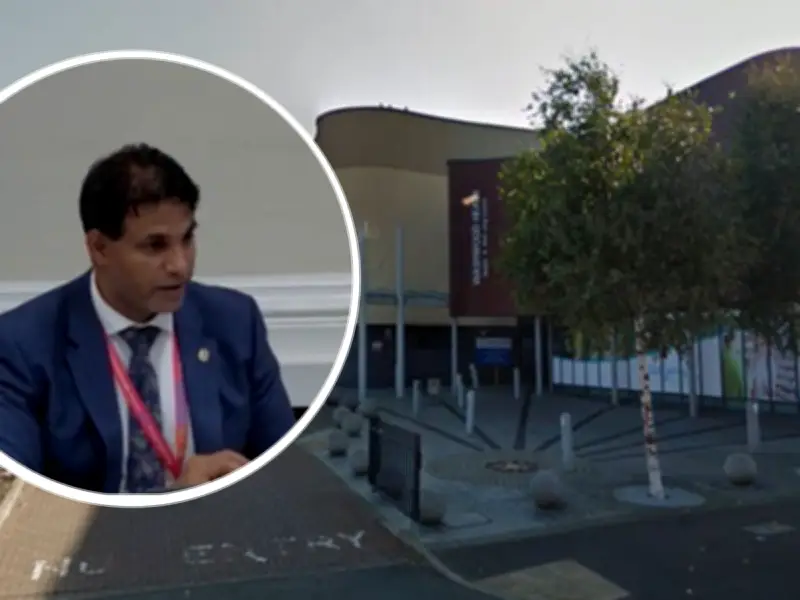
Two options have been put forward, both of which involve closures of existing UTCs and the creation of new hospital-based ones. Under both options, Washwood Heath UTC would close, a move that has drawn strong opposition from Councillor Majid Mahmood, who represents Bromford and Hodge Hill. He described the centre as a “lifeline for communities facing some of the highest health inequalities in Birmingham” and argued that closing it would “hit those who can least afford it the hardest.”
Councillor raises concerns over health inequalities
Speaking at a health scrutiny meeting, Cllr Mahmood said he “fundamentally opposed” the closure. “You don’t improve access by asking residents to travel further,” he said. “You don’t build public confidence by closing a trusted, local NHS service. Washwood Heath UTC serves some of the most diverse, deprived and fastest-growing communities in the city. They should not be first in line for losing vital NHS services.” He added: “If the NHS wants to modernise urgent care, it should do so by improving services – not by taking them away.”

NHS says health inequalities will not worsen
Dr Barbara King, from NHS Birmingham and Solihull, told the meeting that the NHS had set out to ensure health inequalities “were not worsened.” She explained that under Option A, a service tailored to local needs would be placed where the Washwood Heath UTC currently is, focusing on areas where patients have poorer outcomes. Under Option B, a community urgent care offer would be provided. “We feel that in both [options] we will be improving the health inequalities but in slightly different ways,” she said.
Travel time increases of up to 15 minutes
Emma McKinney from the NHS acknowledged that travel times would increase for some residents. “We’re very aware that there are citizens in nine wards where travel time will increase by between five and maximum 15 minutes,” she said. She added that estates teams are working with public transport providers to address the issue.
Option A details
Under Option A, Erdington and South Birmingham (Selly Oak) UTCs would stay and be upgraded to meet national standards. Summerfield and Washwood Heath UTCs would close and be replaced by specialist urgent care services at local health hubs in the same locations, focusing on specific needs such as frailty, respiratory care, heart care, or wound care. Access would usually be by referral, not walk-in. GP out-of-hours would operate as one service across Birmingham and Solihull, offering mainly virtual consultations, with face-to-face appointments and home visits when needed.
Option B details
Under Option B, Summerfield, Washwood Heath, and Erdington UTCs would close and be replaced by Community Urgent Care Centres in the same locations, treating minor illnesses and injuries unlikely to need X-rays or stitches. South Birmingham (Selly Oak) UTC would close and be replaced by two Community Urgent Care Centres at Moseley Hall and West Heath. These centres would offer walk-in care and NHS 111 booked appointments. GP out-of-hours would be linked to local health hubs and Community Urgent Care Centres.
Common proposals across both options
Both options include moving North Birmingham UTC permanently to Good Hope Hospital and upgrading it to meet national standards. New hospital UTCs would open at Heartlands, Queen Elizabeth, and Midland Metropolitan University Hospital. These hospital-based UTCs would be open seven days a week for at least 12 hours a day, see walk-ins and NHS 111 booked appointments, and treat minor illness and injury.

Consultation feedback and next steps
The NHS said a strong theme from consultation was support for a combined approach: retaining trusted local UTC provision where possible, while developing more local and community-based GP out-of-hours services. However, concerns were raised about longer travel times, loss of familiar local services, and over-reliance on NHS 111. The NHS has insisted the review is “not about making cost savings or reducing services for financial reasons” and that these worries will be taken into consideration before the Integrated Care Board makes a final decision.