The NHS has issued a stark warning to the British public, urging anyone experiencing sickness or diarrhoea to avoid visiting hospitals as cases of the winter vomiting bug continue to climb. This urgent appeal comes as norovirus rates across the UK remain persistently high, placing significant strain on already busy healthcare services.
New Variant Driving Infections
Data reveals that norovirus cases throughout the winter of 2024/2025 were consistently higher than the five-season average. While the current 2025/2026 season is also seeing an increase, there are indications that the rate of growth may be slowing and is currently within expected levels for this time of year.
This surge is partly attributed to the re-emergence of a specific variant known as GII.17. This genotype of norovirus, which causes outbreaks of acute gastroenteritis, is extremely contagious. It is now overtaking the previously dominant GII.4 strain and has recently become the most commonly detected type of the virus, leading to a substantial rise in infections.

GII.17 is not a new discovery; it was first identified several years ago and became the predominant strain in some regions during the 2014-2015 season. Its return this year means that people who have already suffered from norovirus may catch it again. The UK Health Security Agency (UKHSA) clarified, "having one genotype does not fully protect against the other." Reassuringly, there is no current evidence that either the GII.17 or GII.4 variants cause more severe illness.
Hospitals Make Direct Plea to Public
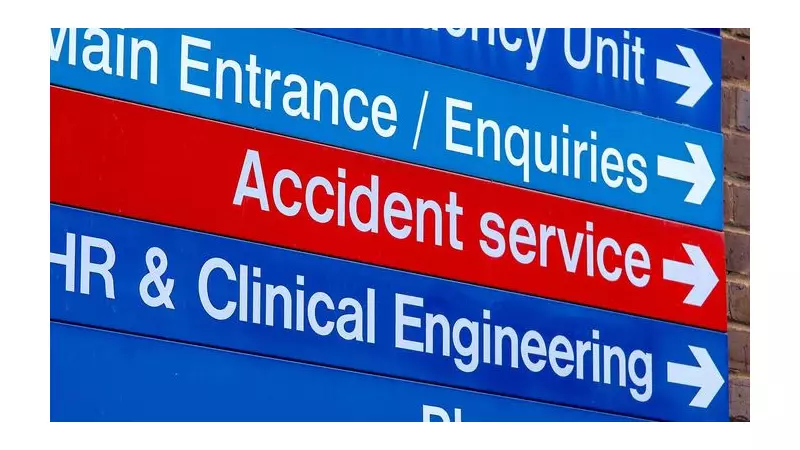
NHS England has confirmed that hospitals are facing considerable pressure due to the spike in cases. To help protect patients and staff and ease the burden on the health service, hospital trusts are making direct appeals to the public.
The North Tees and Hartlepool NHS Foundation Trust shared a video on Facebook featuring an emergency care nurse who made a heartfelt plea. She stated, "If you've been unlucky enough to have any diarrhoea or vomiting in the last 48 hours, could you just please wait to visit your relatives in hospital. You might feel better, but you could still have the infection to pass it on to your loved ones."
In a supporting post, the hospital trust emphasised: "Had sickness or diarrhoea? Please don't visit our hospital wards until you have been free of these symptoms for 48 hours." This simple measure is crucial to help stop the spread of infection and protect vulnerable patients, loved ones, and healthcare workers.
Symptoms and Home Treatment Advice
According to the NHS, norovirus is a stomach bug that causes sudden onset vomiting and diarrhoea. It is famously unpleasant but usually resolves within two to three days. Despite its nickname, it can be caught at any time of year.
Key symptoms include:
- Feeling sick (nausea)
- Being sick (vomiting)
- Watery diarrhoea
Some people may also experience a high temperature, a headache, aching arms and legs, and stomach cramps.
For most, the illness can be managed at home. The NHS advises:
- Stay at home and get plenty of rest.
- Drink lots of fluids like water or squash to avoid dehydration.
- Take small sips if you feel nauseous.
- Eat plain foods when you feel able to.
- Take paracetamol for any discomfort, following dosage instructions carefully.
It is important to avoid giving fizzy drinks or fruit juice to someone who is ill, as this can make diarrhoea worse. Children under 12 should not be given medicine to stop diarrhoea.
If you are concerned about dehydration, especially in the elderly, young children, or those with underlying health conditions, you should speak to a pharmacist. They may recommend oral rehydration sachets.
Norovirus spreads easily through contact with an infected person, contaminated surfaces, or contaminated food and water. Practising good hygiene, such as thorough hand washing with soap and water, is the best defence against catching and spreading this very contagious virus.