Beloved Nurse Collapses After A&E Discharge
A dedicated paediatric nurse, who was a 'fierce advocate and defender of the NHS', tragically died just days after being sent home from a hospital A&E department with indigestion tablets. Paula Ivers, 47, was found collapsed on her bedroom floor by her young daughter at their home in Denton, Tameside, on March 8, 2024, and was later pronounced dead.
A 'Horrendous' Pain Dismissed
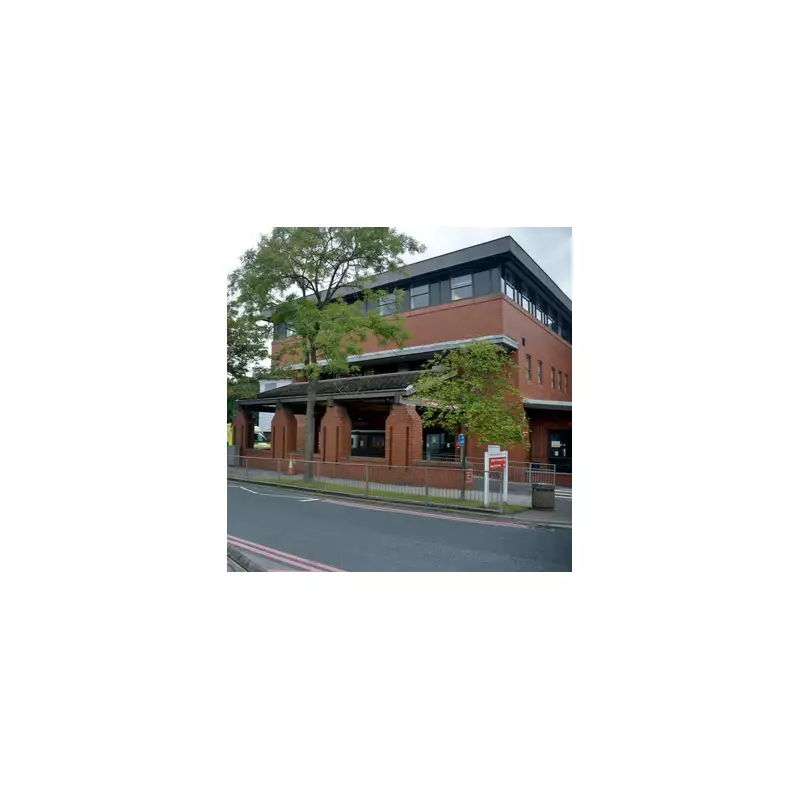
An inquest at Stockport Coroner's Court heard that Ms Ivers had attended Tameside Hospital A&E on March 5, 2024, suffering from chest pain she described as 'worse than childbirth'. Her partner, Simon Norbury, stated she was 'struggling to breathe' on the way to the hospital. Despite her severe symptoms and a family history of cardiac issues—her father died of a cardiac arrest in his early 40s—she was discharged.
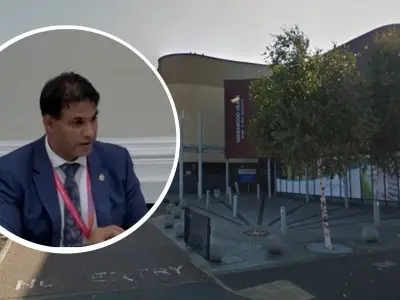
After undergoing a triage process, blood tests, an ECG, and a chest X-ray, Ms Ivers was moved to the Same Day Emergency Care Unit. A doctor who reviewed her case, Dr Osama Ahmed, a consultant in emergency medicine, concluded her pain was not cardiac-related. She was sent home with a diagnosis of gastroesophageal reflux disease and told to buy Gaviscon.

A Tragic Outcome and a Family's Anguish
In reality, Ms Ivers had suffered a thoracic aortic dissection—a tear in the body's main artery. This led to an internal bleed and a fatal cardiac arrest. Her pain continued in the days following her discharge, and she struggled to sleep.
Her sister, Lesley, also a nurse, said in a statement: "It is a cruel irony that Paula was a fierce advocate and defender of the NHS, yet when she needed it most, she was let down in the worst way possible." The inquest heard that Ms Ivers' blood pressure was not taken in each arm, a step that can sometimes help identify such a condition.
Dr Ahmed admitted under questioning from the coroner, Christopher Morris, that he had no documentation to support his decision to classify her as 'low risk' and agreed she was not a suitable patient for the unit she was sent to. The inquest has been adjourned for further evidence.