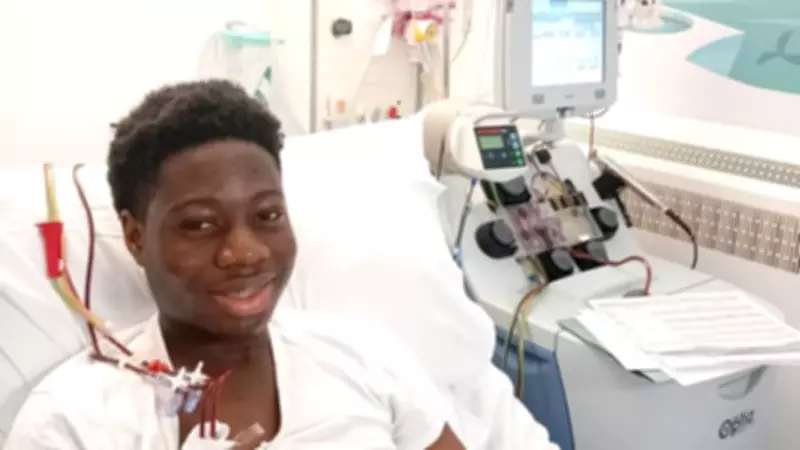
Patients living with sickle cell disease are now experiencing significant improvements in their care through a newly established transfusion service at Basildon Hospital. This innovative service helps manage symptoms effectively and removes the necessity for patients to travel to London for their regular medical treatments.
Transforming Patient Care Locally
Delivered at Basildon Hospital, the service is initially being offered to younger patients before being extended to adults. It provides a crucial six-weekly exchange transfusion, which involves replacing the abnormally shaped red blood cells characteristic of sickle cell disease with healthy donor blood.
Sickle cell disease is an inherited condition that primarily affects red blood cells and is most prevalent among individuals of Black heritage. Typically identified during pregnancy or through newborn screening, the disease can lead to severe complications such as organ damage, strokes, and vision loss. Without appropriate and consistent treatment, it can pose life-threatening risks.

Patient Experiences and Benefits
One of the first recipients of this local service is Abdul Broni, a 16-year-old from Aveley. He shared his relief, stating: “For the past two years I have had to travel to London for my treatment every six weeks, and it takes about two hours to get there and back on the train. Today, it took me 10 minutes and makes such a difference because it will give me more independence to travel to and from my appointments as I am closer to home. It means I will have more time to see my friends and study for my GCSEs.”
Daniel Omolabi, a 22-year-old music student residing in Laindon, is among the adult patients who will soon begin receiving his treatments locally for the first time. He expressed his satisfaction, saying: “I started my care at Basildon, so it is really nice to come back to where I know everyone and to a place that is familiar. No travelling to London will save me time and stress, because there have been times when I have been stranded and my parents have had to come and collect me, or trains were cancelled. That meant me missing my appointment, which then risked my health.”
Medical Insights and Service Impact
Eva Tsouana, Consultant Paediatrician at Mid and South Essex NHS Foundation Trust and a specialist in Sickle Cell and oncology, highlighted the service's impact: “This treatment at Basildon will initially benefit around six young patients and 20 adults each year, with numbers growing as the need increases. It makes a real difference to our patients’ quality of life, because it must be repeated every four to six weeks.”
The introduction of the necessary medical equipment for this service has been made possible through the collaborative efforts of the Mid and South Essex NHS Foundation Trust’s Paediatrics and Adults Sickle Cell Service. Funding for the initiative has been secured via the NHS England-run MedTech Funding Mandate, with the Trust working in partnership with NHS Blood and Transplant.
Collaborative Efforts for Enhanced Care
Henry Jarvis, Lead Therapeutic Apheresis Services nurse at NHS Blood and Transplant, emphasised the importance of this partnership: “By collaborating across trusts, we are making better use of our collective skills and resources, which will improve access to treatment and create a smoother experience for patients. This partnership is about putting patients first and ensuring care is delivered in the right place, at the right time.”