A Cambridge University scientist has been awarded a major grant to solve a critical puzzle in modern medicine: figuring out which early-stage growths found on scans will turn deadly, and which are completely harmless.
The Hunt for Genetic Fingerprints of Danger
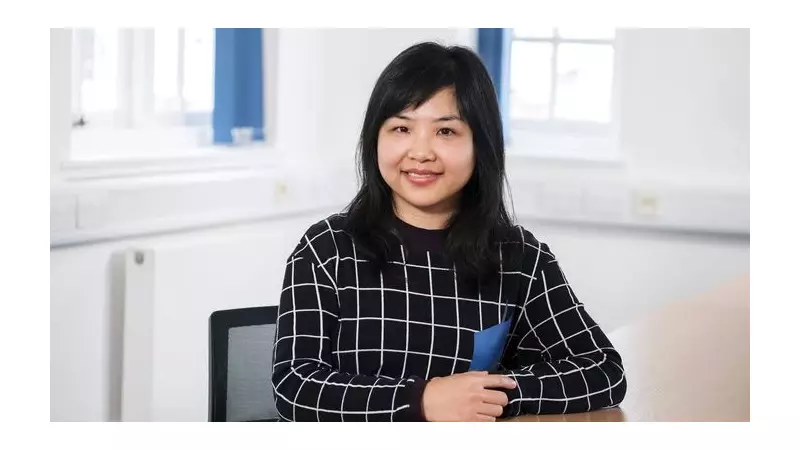
Research associate Dr Xiaomeng Zhang has secured a £99,965 grant from Cancer Research UK to lead a pioneering project. Based in the Department of Public Health and Primary Care, her work focuses on the genetic secrets hidden within early or benign growths, which are increasingly spotted by advanced scanning technology.
"We're looking for the genetic fingerprints of danger," Dr Zhang explained. Her team is studying genetic patterns to understand why some cellular changes remain harmless while others progress to cancer. The year-long study aims to improve risk prediction, guide earlier detection, and crucially, help people at low risk avoid unnecessary and invasive tests.

Transforming Risk Assessment for Breast and Lung Conditions
The research has significant implications for conditions like breast and lung cancer, where scans often reveal small lumps or nodules. By analysing vast genetic datasets, Dr Zhang hopes to build practical tools for doctors.
"This isn't just about science. It's about giving people peace of mind and stopping cancer in its tracks," she said. The goal is to move away from a one-size-fits-all approach to a more precise and personal strategy. This means patients who genuinely need intervention get it sooner, while others are spared anxiety and procedures for growths that would never become cancerous.
Leveraging the Power of the UK Biobank
To achieve this, the project will harness the UK Biobank, one of the world's largest health databases. It contains genetic, lifestyle, and health information from half a million participants, providing an unparalleled resource for understanding disease origins.
Dr Zhang's ultimate aim is to develop a reliable prediction model that could be used across the NHS. "We want to give doctors better tools to identify high-risk patients early and avoid unnecessary worry or procedures," she stated. This research promises to take the guesswork out of cancer risk, potentially helping thousands of people across the UK receive more accurate, personalised care.