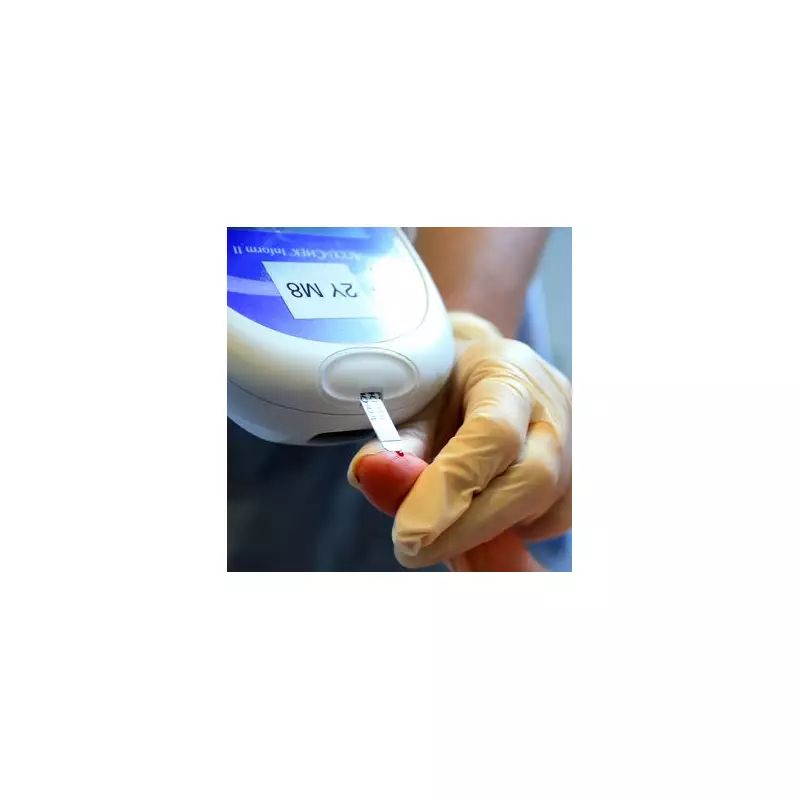
A landmark medical trial conducted in Birmingham has been hailed as a revolutionary breakthrough in the early detection of type 1 diabetes in children. The pioneering research demonstrates that simple finger-prick blood testing can identify the disease long before any symptoms emerge, potentially transforming outcomes for young patients across the nation.
Groundbreaking Research Methodology
The Early Surveillance for Autoimmune Diabetes (Elsa) study, led by the University of Birmingham and co-funded by Diabetes UK and Breakthrough T1D, represents a significant advancement in paediatric healthcare. Researchers invited children aged between three and thirteen to participate in the comprehensive trial, where they provided small blood samples through finger-prick testing.
Those children identified as having potential risk markers then underwent more detailed blood or sugar tolerance tests for confirmation. The scale of the research was substantial, with an impressive 17,931 tests conducted throughout the study period.

Remarkable Findings and Future Expansion
The trial yielded crucial results, identifying more than 200 children who either showed clear risk factors or had specific markers in their blood indicating potential development of type 1 diabetes. This successful initial phase has paved the way for an expanded second stage of research.
The next phase will broaden the age range to include children from two to seventeen years old, significantly increasing the potential impact of the screening programme. As part of this expansion, dedicated NHS clinics will be established specifically to support families whose children are identified as being at risk, providing comprehensive care and guidance from the earliest stages.
Addressing a Critical Healthcare Challenge
The University of Birmingham highlighted a concerning statistic that underscores the importance of this research: more than a quarter of children currently aren't diagnosed with type 1 diabetes until they develop diabetic ketoacidosis (DKA). This serious condition represents a medical emergency that requires urgent hospital treatment and can be life-threatening if not addressed immediately.
Early detection through programmes like the Elsa study could dramatically reduce these emergency diagnoses while simultaneously opening access to innovative immunotherapy treatments. These new therapies have shown promising potential to delay the need for insulin injections for several years, significantly improving quality of life for affected children.
Expert Endorsement and Political Support
Professor Neil Hanley, Pro-Vice-Chancellor and Head of the College of Medicine and Health at the University of Birmingham, described the trial as a genuine game-changer for paediatric diabetes care. He emphasised that this approach could spare countless children the trauma of emergency diagnosis while ensuring they receive early support and potentially revolutionary treatments.
West Midlands Mayor Richard Parker expressed considerable pride in seeing this impactful research being conducted within the region. He praised the University of Birmingham for developing more effective early screening techniques that could substantially improve children's lives while acknowledging the vital contribution of families who volunteered for the trial.
The success of this Birmingham-based research demonstrates how regional medical innovation can lead to national healthcare improvements, potentially establishing new standards for early diabetes detection that could benefit children across the United Kingdom and beyond.