Researchers based in the West Midlands have secured a £60,000 grant to investigate the potential of weight-loss injections as a treatment for women with Polycystic Ovary Syndrome (PCOS). This common hormone condition affects how the ovaries function, leading to irregular periods, acne, excess hair growth, and difficulties in conceiving. PCOS can also impair the body's ability to use insulin effectively, increasing the risk of weight gain and other health complications.
Current treatments and new possibilities
Currently, some women with PCOS are prescribed Metformin, a diabetes drug, off-label to manage insulin resistance symptoms. However, researchers are now exploring recent advancements in weight-loss medications as alternative treatment options for the condition, which is the leading cause of female infertility.
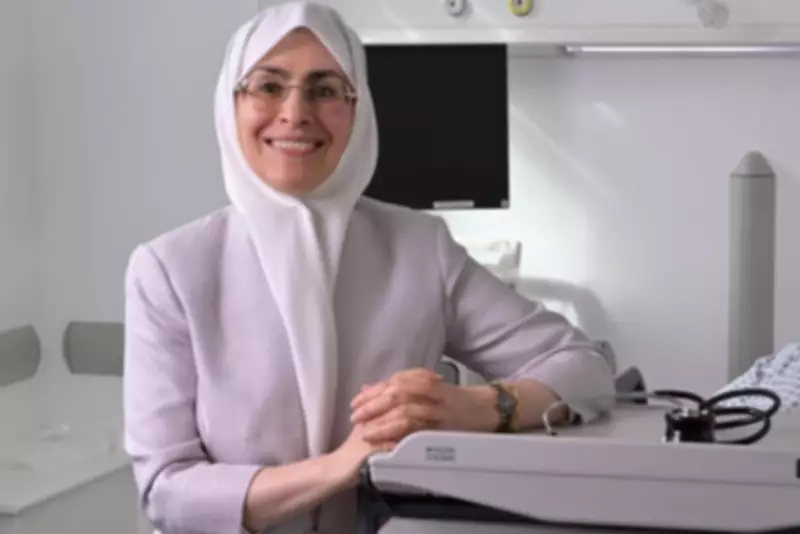
Dr. Shagaf Bakour, a gynecologist and director of medical education at Aston Medical School, has been awarded an NHS research grant to lead this study. The project was co-developed with Dr. Hoda Harb, a consultant obstetrician and gynecologist at Sandwell and West Birmingham NHS Trust, who served as a co-applicant on the funded grant.

Focus on GLP-1 medications
Medications such as Mounjaro and Ozempic, typically used for weight loss and blood sugar control, may also benefit women with PCOS. This is significant because women with PCOS are more prone to weight gain, insulin resistance, diabetes, and heart problems.
Researchers at Aston University and Sandwell and West Birmingham NHS Trust will review existing studies to determine what is already known about treating PCOS with GLP-1 medications and identify gaps that require further investigation. If approved, they will analyze real-world data from fertility clinics, GP records, and weight-management services to assess how effective these medicines are for women with PCOS in everyday clinical settings.
Potential impact on care
Speaking about the study, Dr. Bakour stated: "The aim is to give women with PCOS evidence-informed, clearer treatment options and more consistent care. The project hopes to show whether these medicines can improve both general health and fertility health, while also helping local services develop clearer care pathways. Currently, care can vary, and women do not always get the same advice or treatment options. The research could lead to earlier support, better long-term health, and more joined-up care for a condition that affects many women but is still often overlooked."
Professor Elizabeth Hughes, director of research and development at Sandwell and West Birmingham NHS Trust, added: "In the longer term, the work is intended to produce published evidence, support further external funding, and help prevent longer-term health problems linked to PCOS. The effects of PCOS, which include infertility, are very emotive subjects and so we are delighted to support Dr. Shagaf Bakour and Dr. Hoda Harb with their research into possible treatments. We should be doing all we can within research and development to advance healthcare for women and to better help future generations with this condition."