Midlands Mother's Brain Cancer Initially Dismissed as Stress from Her Children
A mother-of-three from the Midlands has revealed how doctors repeatedly attributed her debilitating headaches to stress caused by her children, only for her to later be diagnosed with a rare and aggressive form of brain cancer.
Libby Woolaston, aged 32 and living in Wolverhampton with her partner Aiden, first sought medical help in the summer of 2024 due to persistent and severe headaches. According to Libby, three separate general practitioners suggested her symptoms were likely related to stress, hormones, or depression.
"Do You Not Think It's Just Your Children Giving You a Headache?"
One doctor explicitly asked if she had children and implied that her three sons – Miller, ten, Dax, seven, and four-year-old Forest – might be the source of her headaches. Libby recounted feeling ignored for months, stating, "I knew something wasn't right, but I kept being told it was hormones, stress or depression."

The pain became so unbearable that she relied heavily on painkillers just to function daily. "I couldn't be the mum I wanted to be, and my quality of life was awful," she said. Her condition deteriorated while awaiting specialist appointments, culminating in a devastating development.
Diagnosis of a Rare Paediatric Tumour in an Adult
After initial assessments by her GPs and a referral to New Cross Hospital in Wolverhampton, Libby's situation worsened. Despite requesting surgical intervention, she was advised that pain management was the best course as the tumour was not considered life-threatening.
It was not until she was referred to a hospital in Birmingham in October 2024, and finally seen in March 2025, that the true severity was uncovered. By that time, Libby had lost sight in her right eye. Doctors discovered an atypical teratoid rhabdoid tumour (AT/RT), a form of cancer typically found in children under three years old, which had grown and was pressing on her optic nerve.
Intensive Treatment and Recovery
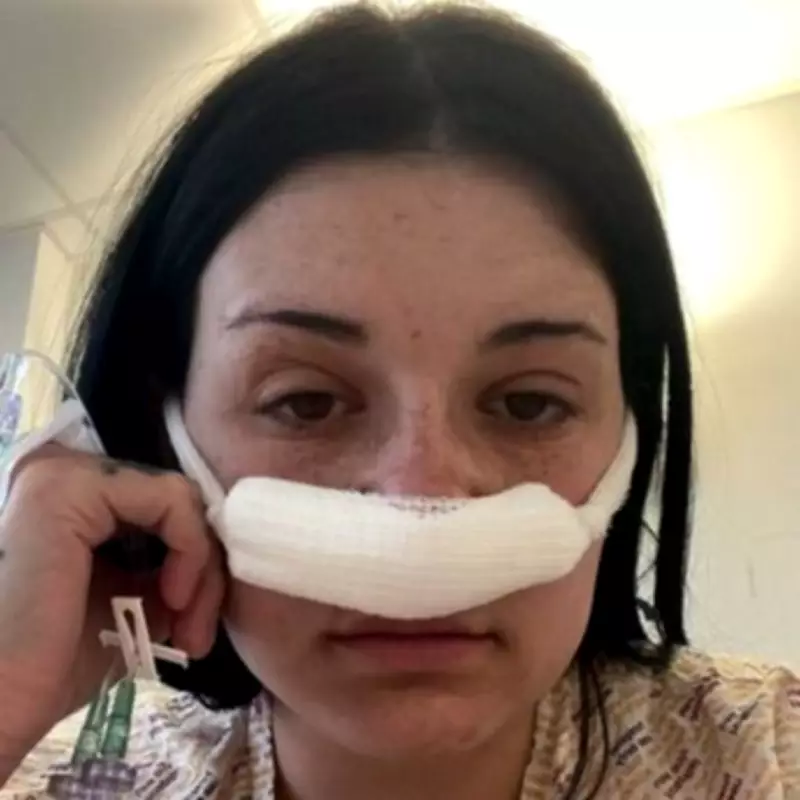
Following the diagnosis, Libby underwent a four-hour operation to remove the pituitary tumour through her nose at a Birmingham hospital. This was followed by a lumbar puncture, radiotherapy, and chemotherapy. In February of this year, she received the welcome news that she was cancer-free.
Her vision has since been restored, though she continues to undergo scans every three months as a precaution. Reflecting on her ordeal, Libby said, "Now I see life very differently. I appreciate every day I get to spend with my family."
A Call for Patient Advocacy and Awareness
Libby has no plans to take legal action but is determined to raise awareness. She is preparing to walk 200 kilometres to raise funds for the charity Brain Tumour Research. She urges others to trust their instincts and persist in seeking answers. "I don't want anyone else to go through what I did. Trust your instincts and don't be afraid to push for answers – you deserve to be taken seriously," she emphasized.
Letty Greenfield, community fundraising manager at Brain Tumour Research, commented, "Libby's story highlights the devastating impact brain tumours can have, as well as the urgent need for greater awareness and investment in research." This case underscores critical issues in medical diagnosis and the importance of patient advocacy in the healthcare system.