The NHS has issued a fresh warning, pinpointing two specific types of locations where individuals are significantly more likely to contract the Covid-19 virus.
Where is the risk highest?
According to the health body, the virus spreads very easily through close contact with an infected person. Transmission occurs when someone with the virus breathes, speaks, coughs, or sneezes, releasing respiratory droplets into the air.
You can also become infected by touching a surface contaminated with these droplets and then touching your eyes, nose, or mouth.

The NHS has now explicitly named indoors and in crowded places as the two areas where the risk of catching Covid is heightened.
How to protect yourself from Covid
For those at greater risk, the NHS has published a list of recommended precautions to help reduce the chance of infection. The guidance advises people to:
- Open windows and doors when meeting people inside, or choose to meet outdoors.
- Maintain a distance of at least two metres from others, particularly in indoor or crowded settings.
- Work from home if possible, or discuss risk-reduction measures with your employer.
- Wear a face covering in situations where social distancing is difficult.
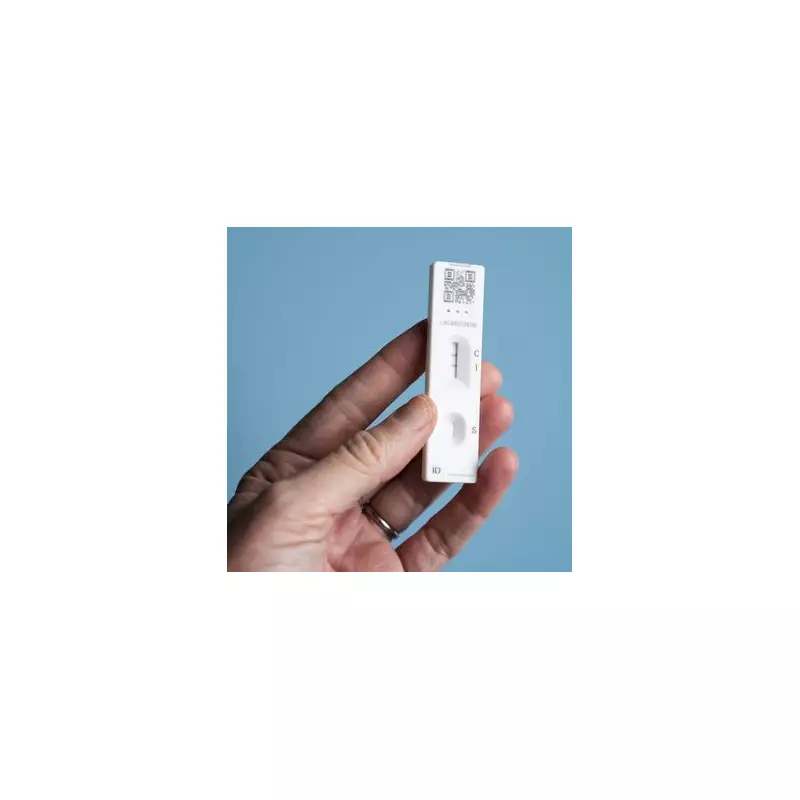
- Consider asking people to wear a face covering or take a rapid lateral flow test before meeting indoors.
Latest Covid data and when to seek help
Recent data from the UK Health Security Agency (UKHSA), dated October 27, shows a slight decrease in Covid cases in hospitals. The weekly mean positivity rate in hospital settings was 5.7%, down from 7.7% the previous week.
While most people recover from Covid with rest, some cases can be more severe. The NHS advises that you should seek an urgent GP appointment or call 111 if you or a child develop a rash, experience a loss of appetite, or feel unusually weak.
Additionally, medical advice should be sought if a high temperature of 38C or higher lasts for five days or more, or does not come down after taking paracetamol.