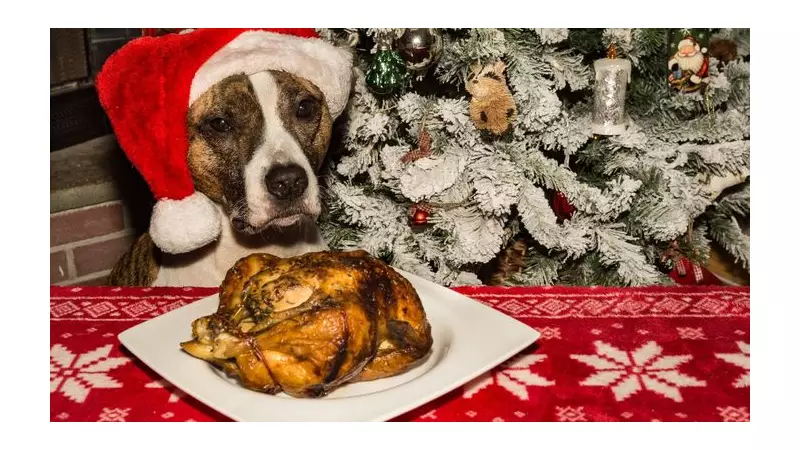
Pet owners across the UK are being urged to exercise extreme caution this festive season, as sharing the wrong foods from the Christmas table could inflict serious harm on beloved dogs and cats. Specialists warn that a momentary lapse could lead to an emergency visit to the vet.
Safe Festive Feasts: What Your Pet Can Enjoy
Richard Green, a leading pet nutrition authority at Kennedy Wild Bird Food & Pet Supplies, has provided clear guidance for concerned owners. He confirms that some festive staples can be shared safely with careful preparation.
Lean, unseasoned meats like turkey and chicken are excellent options, provided all skin, bones, and seasoning are removed. These can be served alongside pet-safe vegetables such as carrots, parsnips, broccoli, or cauliflower, which are packed with nutrients.

Other suitable choices include steamed green beans and finely diced fresh cranberries. For a carbohydrate addition, plain boiled or mashed potatoes (free from butter, oil, and seasoning) are acceptable. A small portion of sweet potato offers a healthier, vitamin-rich alternative.
Homemade treats can also be part of the holiday fun. Simple recipes using peanut butter (xylitol-free), plain low-fat yoghurt, and shredded carrots can create tasty and safe snacks. Ham should be given sparingly and only on special occasions, avoiding it entirely for older pets or those with heart conditions due to its high sodium content.
The Hidden Dangers: Foods to Keep Off-Limits
However, the season is fraught with hazards. Experts stress that many traditional foods contain ingredients that are toxic to both cats and dogs.
Cooked bones from the Christmas roast must be avoided at all costs. They can easily splinter, causing dangerous internal blockages or lacerations to the digestive system. Safe chew toys are a far better option.
Fatty foods like bacon, pork, and gravy pose significant risks of obesity and pancreatitis. Gravy is particularly problematic as it often contains high levels of fat, salt, and sometimes onions.
Toxic Ingredients Commonly Overlooked
Several festive treats are especially perilous. Mince pies, Christmas pudding, and fruitcake contain raisins, currants, and sometimes alcohol, all of which can cause severe health issues in pets.
Many savoury dishes are laced with onions, garlic, and chives, which are poisonous to cats and dogs. This means stuffing and other seasoned sides should be kept well away from your pet's bowl.
Dairy products like cream and cheese can upset pets' stomachs, especially as many cats are lactose intolerant. Chocolate remains a critical danger, containing substances that can lead to serious heart problems.
Before introducing any new food to your pet's diet this Christmas, consulting your veterinarian is strongly advised. Dietary needs vary, and what suits one animal may not suit another, particularly for pets with existing health conditions.