A leading nutritionist has pinpointed seven specific foods that people should aim to eat at least twice a week to help combat high cholesterol, a major risk factor for heart disease and stroke.
The Cholesterol Challenge and Dietary Solutions
Nutritionist Anita Wong shared her expert advice in a recent online video, creating a practical guide for those diagnosed with high cholesterol or simply aiming for a healthier diet in 2026. According to the NHS, high cholesterol can block blood vessels, increasing the risk of serious heart problems and strokes, often without any noticeable symptoms.
"I would make sure you eat these," Anita recommended before detailing her list of beneficial foods, all chosen for their specific properties that target cholesterol management.

Seven Key Foods for a Healthier Heart
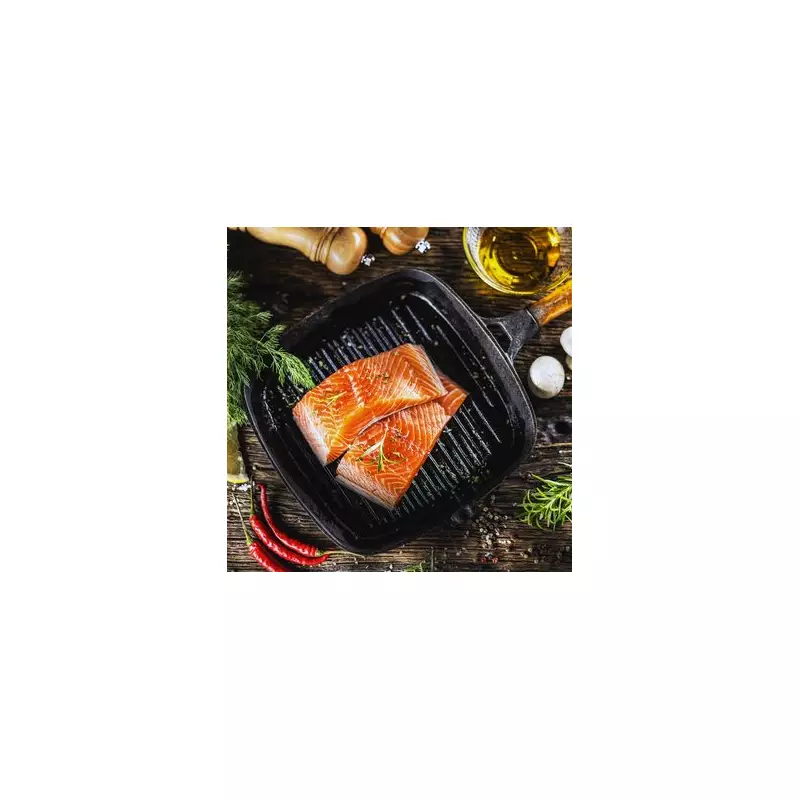
Salmon: Rich in healthy fats and Omega-3, salmon is also a great source of protein. Anita notes that if salmon is too expensive, more affordable oily fish like mackerel or sardines are excellent alternatives.
Cruciferous Vegetables: Foods like broccoli, cauliflower, and kale are packed with both soluble and insoluble fibre. This fibre helps feed the gut biome and aids digestion.
Avocado: A superb source of plant-based healthy fats and additional fibre, making it a powerful addition to a cholesterol-lowering diet.
Sweet Potato: A healthier choice than standard potatoes, sweet potatoes offer more fibre, less sugar, and provide a slower release of carbohydrates.
Fibre-Rich Fruits: Anita highlights kiwi fruit (including the skin) and berries like raspberries. These are rich in phytonutrients and fibre, which are beneficial for overall health.
Oats: Containing a specific fibre called beta-glucan, oats can bind to excess cholesterol in the digestive system, helping the body to excrete it. Anita suggests having rolled oats or overnight oats two to three times a week.
Yoghurt: Specifically, kefir yoghurt. Consuming this at least twice a week supports the gut biome by introducing beneficial bacteria, which is another crucial factor in managing cholesterol levels.
Official NHS Guidance and Lifestyle Tips
The NHS also advises reducing intake of foods high in saturated fat to manage cholesterol. These include:
- Meat pies, sausages, and fatty meats.
- Butter, lard, and ghee.
- Cream and hard cheeses like cheddar.
- Cakes, biscuits, and foods containing coconut or palm oil.
Alongside dietary changes, the health service recommends at least 150 minutes (2.5 hours) of moderate exercise each week. Good starting activities include brisk walking, swimming, and cycling. Finding an enjoyable activity is key to maintaining a consistent routine.
By integrating these seven foods into your weekly meal plan and following broader lifestyle advice, you can take proactive steps towards improving your heart health and managing cholesterol levels effectively.