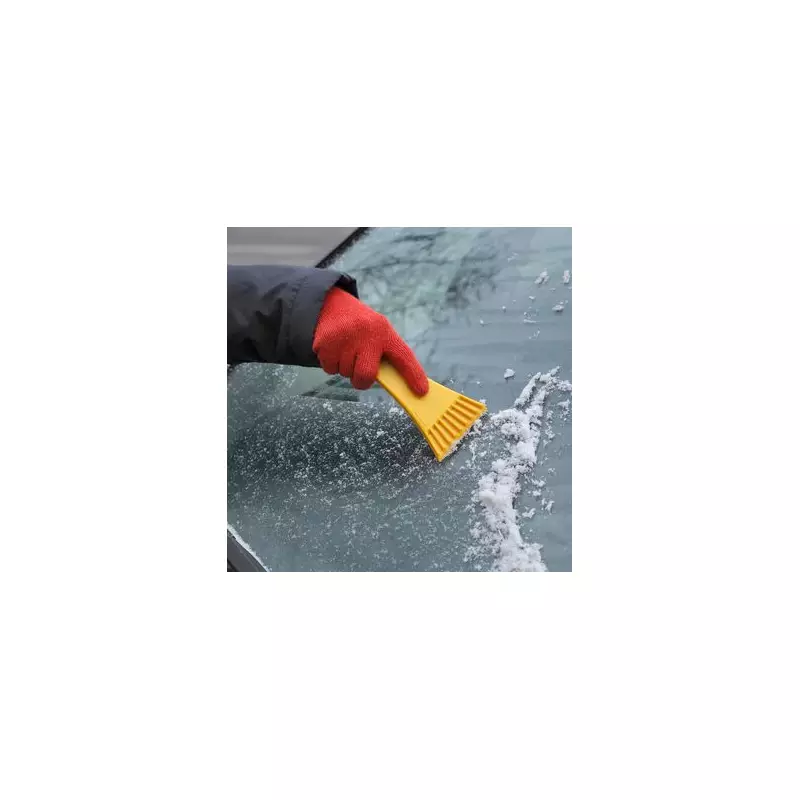
Britons are being urged to prepare for a bitterly cold start to the new year, with official health warnings now covering large parts of the country. The UK Health Security Agency (UKHSA) has activated an amber cold health alert for North East and North West England, which will remain in force until midday on January 5, 2026.
Forecast: A Sharp Drop in Temperature
The Met Office has forecast a significant temperature drop as the year turns. While the final days of 2025 will see milder conditions of around 7-8°C, the mercury is set to plunge with the arrival of 2026. From New Year's Day, temperatures are expected to fall to between 3°C and 5°C in northern regions, with other areas seeing 4-6°C.
Met Office forecaster Dan Stroud stated that the UK is moving away from settled conditions towards more unsettled, showery weather. He warned of increasing wintry hazards, particularly in the north, where sharp winds will bring wintry downpours throughout the first week of January.

Serious Health Risks and Wider Impacts
The UKHSA has issued a stark warning about the potential consequences of the amber alert. This level indicates that the cold weather is likely to have substantial impacts across health and social care services. The agency anticipates a rise in deaths among vulnerable groups, including people aged 65 and over and those with pre-existing health conditions.
Dr Agostinho Sousa, Head of Extreme Events and Health Protection at UKHSA, emphasised the severity of the situation. "The forecasted temperatures can have a serious impact on the health of some people, leading to increased risk of heart attacks, strokes and chest infections," he said.
The alert also highlights several critical risks:
- Increased demand for NHS services across affected areas.
- Potential for indoor temperatures in hospitals and care homes to fall below recommended levels.
- Challenges in maintaining a safe indoor temperature of 18°C for vulnerable people.
- Possible staffing issues due to travel disruption.
- Impacts on other sectors, including transport and energy supplies.
Advice for the Public and Vulnerable Groups
Health officials and charities are calling on the public to take action. Dr Sousa urged people to check on friends, family, and neighbours who are most vulnerable to the cold.
The Alzheimer's Society issued specific guidance for supporting people living with dementia, who may struggle to recognise or communicate that they are cold. The charity advises ensuring they are warmly dressed, are in a heated environment, and continue to eat, drink, and move regularly. Maximising natural daylight and taking smaller, slower steps in icy conditions can also help keep them safe.
A less severe yellow cold health alert is currently in force for several other regions, including the East Midlands, West Midlands, South East, South West, East of England, Yorkshire and the Humber, and London, indicating a possibility of significant impacts.