UK's 'Most Dangerous Spider' Invades Kitchens as Hospital Admissions Double
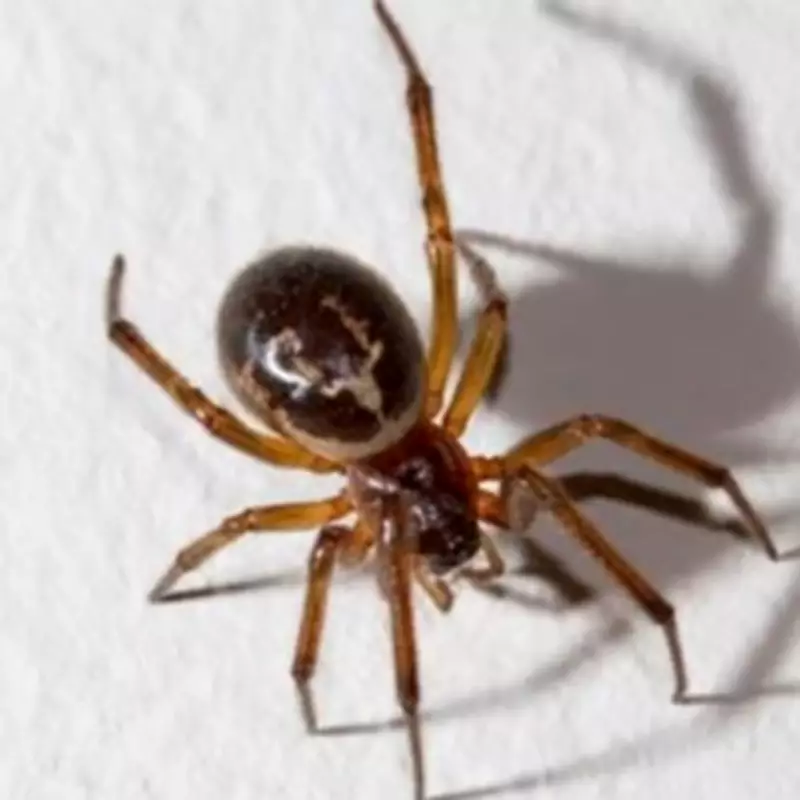
Hospital admissions resulting from spider bites have more than doubled across the United Kingdom, with experts issuing urgent warnings about a significant surge in the population of the noble false widow spider. This species, which frequently hides in kitchen areas, is now regarded as the most dangerous spider breeding in Britain, posing a growing threat to residents.
Sharp Increase in Spider Bite Hospitalisations
Recent NHS data reveals a concerning trend: in 2025, there were 100 hospital admissions due to contact with or toxic effects from spiders. This figure marks a dramatic increase from just 47 admissions recorded a decade earlier in 2015, indicating that incidents have more than doubled over the past ten years. The rise coincides with the expanding population of noble false widows, which are becoming increasingly prevalent in domestic settings.
Expert Insights on the Growing Threat
Clive Hambler, an ecologist and lecturer in biological and human sciences at Oxford University's Hertford College, emphasised the shifting landscape. He stated, "The days when you could just treat spiders as benign in Britain are over." Hambler explained that while spider bites were rarely severe fifty years ago, the abundance of false widows, particularly in southern regions, has led to a notable increase in serious bites.

He further cautioned, "You now need to treat spiders in Britain as you might in many other parts of the world – as something to be very respectful of." Hambler highlighted that while arachnophobia is a concern, the real danger lies in the potential health risks from bites, which can be life-threatening.
Personal Accounts and Medical Concerns
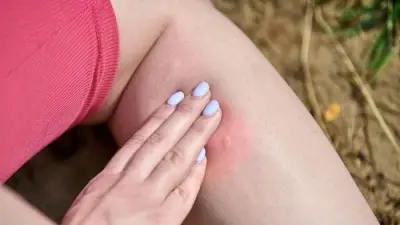
One victim, Chris Keegan, aged 40, experienced severe effects after being bitten. His hand swelled to the size of a golf ball, and he expressed relief that the situation did not escalate further. Keegan remarked, "Something so tiny and trivial if ignored could have led to my thumb or hand being removed, or sepsis could have set in." Medical professionals noted the difficulty in determining whether the bite directly caused the infection or acted as a catalyst.
Scientific Analysis of the Population Explosion
Dr. Michel Dugon, a zoologist specialising in venom systems at the University of Galway, described the hospital data as "interesting" but "not surprising." He pointed to the "explosion in the population of noble false widow" as the most obvious factor behind the rise in bites. Dr. Dugon added that these spiders have a clear preference for living in and around houses rather than natural habitats, especially in the UK and Ireland, making them a persistent household hazard.
This situation underscores the need for public awareness and caution, as the noble false widow continues to establish itself as a significant health concern in British homes.