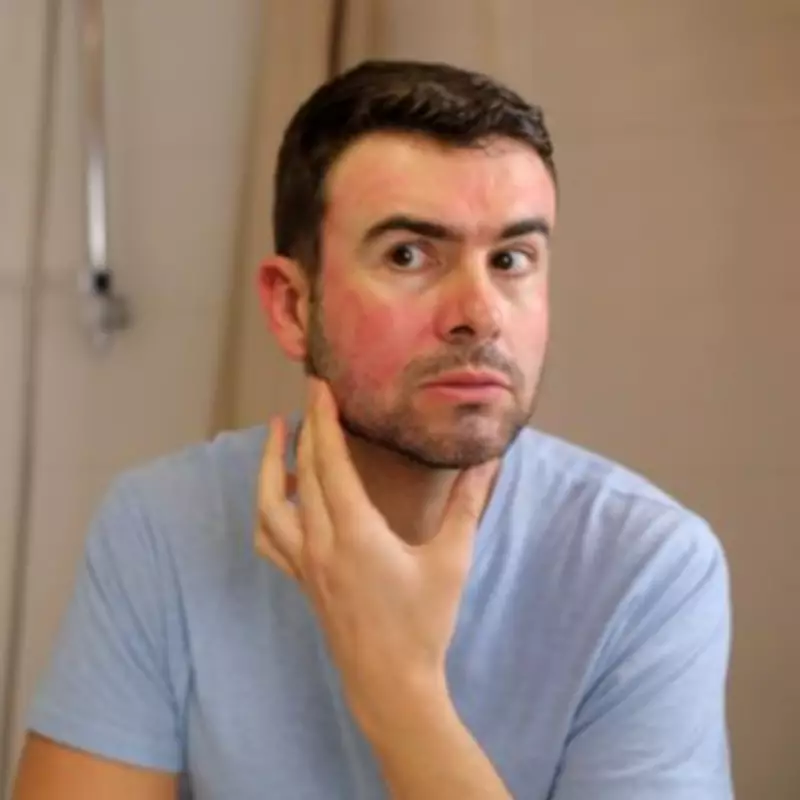
The UK experienced its hottest weather of the year over the bank holiday weekend, with temperatures reaching 30C in many areas. While many enjoyed the sun, by Tuesday morning numerous people woke up with red, sore, and painful skin due to sunburn. The NHS has issued guidance on how to manage symptoms and when to seek medical help.
Recognizing Sunburn
According to the NHS, sunburn is damage to the skin caused by excessive sun exposure. Symptoms include skin that feels hot to touch, sore or painful, and may flake or peel after a few days. In severe cases, blistering can occur. People with white skin may notice redness or pinkness, while those with black or brown skin may not see a color change.
Home Treatment Tips
The NHS recommends the following for managing sunburn at home:

- Get out of the sun as soon as possible.
- Cool your skin with a cool shower, bath, or damp towel. Be careful not to let babies or young children get too cold.
- Apply aftersun cream, spray, or unperfumed moisturizer.
- Avoid alcohol and drink plenty of water to prevent dehydration.
- Take painkillers like paracetamol or ibuprofen as directed.
- Cover sunburnt skin from direct sunlight until fully healed.
Things to avoid include:
- Do not use petroleum jelly on sunburnt skin.
- Do not apply ice or ice packs directly.
- Do not pop any blisters.
- Do not scratch or try to remove peeling skin.
- Do not wear tight-fitting clothes over sunburnt skin.
When to Seek Medical Help
Most sunburn can be treated at home. A pharmacist can recommend treatments and advise if a GP is needed. Urgent GP appointments or NHS 111 help should be sought if, after sun exposure, you experience:
- Blistered or swollen skin.
- Very high temperature, or feeling hot, cold, or shivery.
- Extreme tiredness, dizziness, or nausea.
- Headache or muscle cramps.
- Sunburn in a baby or young child.
Severe sunburn can lead to heat exhaustion or heatstroke, which are serious. Call 111 or use the 111 online service, especially for children under 5.