Birmingham Council Approves Budget with Extra Funds for Potholes, Homelessness and Youth Clubs
Birmingham City Council has finally approved its budget for the upcoming financial year following a week of dramatic delays and intense political wrangling. The Labour-led administration succeeded at the second attempt in securing approval for their financial plans, but not before incorporating significant last-minute amendments proposed by the Liberal Democrats.
Budget Drama and Last-Minute Changes
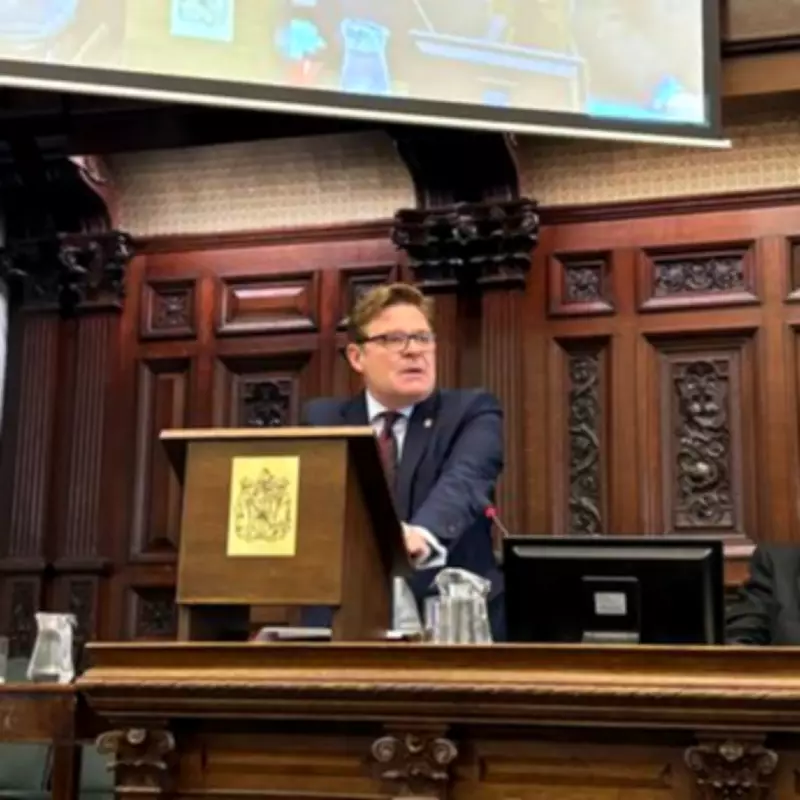
The council meeting was dramatically adjourned last week when Labour councillors failed to reach a decision on the proposed budget. When discussions resumed on Tuesday, March 2, the atmosphere was tense with expectations of further political maneuvering. However, Council Leader John Cotton managed to secure the necessary majority within minutes once he confirmed sufficient Labour councillor attendance.
Forty Labour councillors out of a possible fifty-two were present to support the budget, while only thirty-seven of forty-seven opposition councillors arrived in time to vote against it. The week-long delay provided an opportunity for Liberal Democrat budget proposals to gain traction with Labour leadership, resulting in several key amendments being adopted.

Key Budget Provisions and Council Tax Increase
The approved budget includes a council tax increase of 4.99 percent, which will see Band D property rates rise from £2,237 to £2,353.17 starting this April – an increase of just over £116 annually. This forms part of a balanced budget designed to protect essential services following two years of substantial cuts.
Council Leader John Cotton emphasized that the budget represents a turning point for Birmingham, stating: "We have approved a budget that puts £130m back into frontline services, backing some of the issues that people want to see us address." He highlighted investments in cleaner streets, expanded library provision, and knife crime prevention as key priorities.
Liberal Democrat Amendments Secure Additional Funding
The Liberal Democrat proposals that gained Labour support include several significant financial commitments:
- £25 million from highways reserves dedicated to fixing potholes and road maintenance
- Additional £1.1 million annually for libraries and museums to extend opening hours
- Extra £500,000 per year for youth services across the city
- £1 million annual increase to the street cleaning budget
- Creation of a homelessness fund allowing property owners in Bands E to H to make voluntary contributions
- £250,000 in 2026/27 for road safety measures, increasing to £500,000 in subsequent years
- Funding for solar panels on council-owned properties including libraries
- Doubling of community initiative funds for each councillor to £20,000
- Proposal to offer four-day work weeks to some council staff to improve flexible working
Political Reactions and Future Implications
Liberal Democrat representatives expressed satisfaction with their ability to influence the budget process. A spokesperson noted: "We are pleased to have extracted significant concessions from Labour, including £25 million on road resurfacing and safety, extended library opening hours and cleaning up the city." They emphasized the unusual nature of opposition parties amending the ruling group's budget.
Conservative leader Robert Alden offered a more critical perspective, stating: "Labour's 'double whammy' budget is hitting residents with higher taxes for fewer services, and only passed by the skin of their teeth after their own chaos forced an adjournment and reconvening."
The budget approval marks what Council Leader Cotton described as the end of the 'bankrupt Birmingham' era for the authority, which faced severe financial crisis in 2023. The council has worked to address a £300 million budget gap over the past two years while contending with equal pay challenges and historical underfunding issues.

With local elections approaching in May, the budget negotiations have highlighted the evolving political dynamics within Birmingham City Council and set the stage for continued debates about resource allocation and service priorities in the coming years.