Birmingham Council Tax Increase of 4.99% Approved for 2026/27
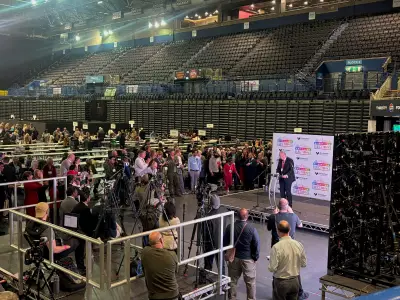
Council tax is set to rise across Birmingham, with a new increase of 4.99% approved for the 2026/27 financial year. This decision was made during a dramatic budget meeting, where tensions flared over the council's recent financial turmoil and the ongoing bins strike. The hike will take effect from April 2026, marking another step in the city's efforts to address its budgetary challenges.
Varied Impacts on Residents Based on Location and Property Band
While the overall increase is just under 5%, some residents will face higher payments due to additional precepts. For a Band D property, the basic council tax will jump from £2,237 to £2,353.17, an increase of just over £116 annually. However, those living in specific areas must pay extra precepts on top of this.
In the parish of New Frankley, the precept for a Band D property is rising by a minimal 10p, from £34.66 to £34.76. In contrast, Royal Sutton Coldfield sees a more significant hike, with its parish precept increasing by £10, from £59.96 to £69.96, representing a 16.68% rise. This precept funds the Conservative-run Royal Sutton Coldfield Town Council, which manages various local services.

Council Leader Defends Decision Amid Financial Recovery Claims
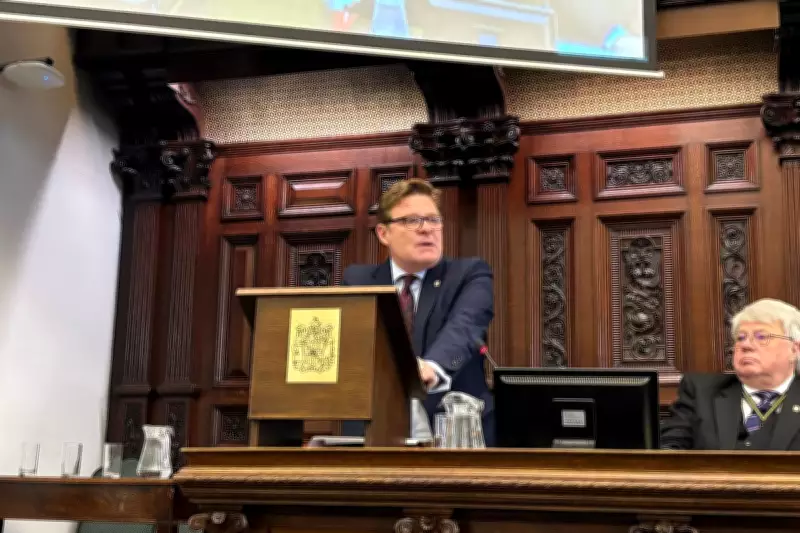
Council leader John Cotton argued at the meeting that the era of 'bankrupt Birmingham' is over, citing the closure of a £300 million budget gap through drastic measures, including cuts to local services. He stated, "Over the last two budgets, we were left with no alternative but to set above threshold council tax rises. We did so with heavy hearts, and when I stood here last year, I promised there would not be a third. I have kept my word."
Cotton emphasized that Birmingham's council tax remains below the average of core cities, with 82% of homes in Bands A, B, or C paying less than £2 extra per week. He also highlighted protections for vulnerable residents, noting that a quarter of Birmingham's 468,000 households are eligible for support, and around 70,000 families pay no council tax at all.
Opposition Criticism and Ongoing Challenges
The meeting saw strong criticism from opposition councillors regarding the financial crisis and bins strike. Conservative group leader Robert Alden questioned Labour's claims of fixing the council, saying, "This talk of fixing the council from the failed Labour administration is just that – talk. Do the Labour group really expect residents to thank them now they’ve claimed to have fixed the council after they effectively bankrupted it?"
Other councillors echoed concerns, with Liberal Democrat Roger Harmer warning that a full recovery is still some way off, and Green Party member Julien Pritchard disputing Cotton's assertion that the 'bankrupt Birmingham' tag has been ditched. Independent councillor Jane Jones went further, suggesting Birmingham has become a "cesspit of Europe" and a "laughing stock" globally.
Background on Financial Woes and Strike Issues
Birmingham's financial struggles have been compounded by specific issues such as the equal pay debacle and a disastrous IT system implementation. Labour councillors have also pointed to cuts during the previous Conservative government as contributing factors. Meanwhile, the bins strike, now in its second year, continues to cause disruption, with workers claiming they face pay cuts of up to £8,000, though the council disputes this figure and insists a fair offer was made.
This council tax rise follows two previous hikes of approximately 10% and 7.5% in recent years, as the council navigates its path to financial stability. The government caps most council tax increases at 5%, but Birmingham obtained permission to exceed this without a referendum in the past two years, a measure not needed for this latest increase.