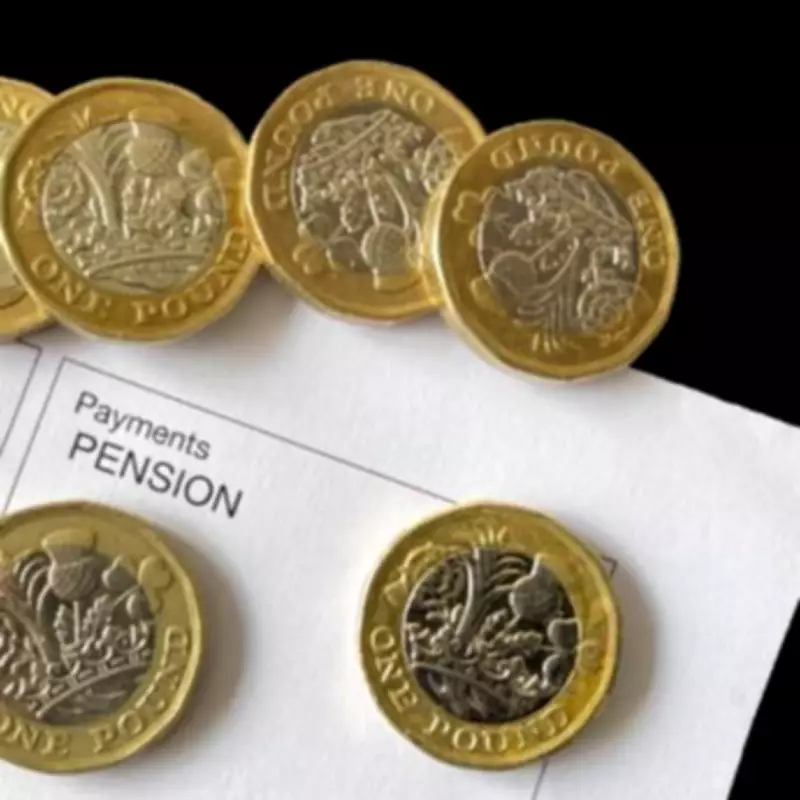
The Department for Work and Pensions (DWP) is implementing a new rule for state pensioners as the retirement age increases under the Labour government. The state pension age is gradually rising from 66 to 67, a change that began last month and will be fully in effect by early 2028.
Who Is Affected?
Anyone born on or after April 6, 1960, will see their state pension age increase. The transition adds one month to the pension age every two months until April 2028, when everyone will reach pension age at 67. This staggered hike is expected to save the Treasury approximately £10 billion per year by the end of this parliament.
Expert Commentary
Lily Megson-Harvey, policy director at My Pension Expert, commented: “While the state pension age rising to 67 may feel like the goalposts are shifting, it’s important to remember that people can still take control of their retirement. Not everyone can simply work longer, particularly those in physically demanding roles or facing health challenges. So, as the age rises and the focus shifts, we're likely to see private and workplace pensions bear even more responsibility for people to retire on their own terms.”

She added: “That’s why making use of the support available is so important when planning for later life. Clear information and improved access to advice continues to be as valuable as ever. These can help savers bridge the gap between when they want to retire and when they can access their State Pension, giving greater certainty about their financial future.”
Public Reaction
The changes have sparked strong reactions from retirees. One pensioner fumed: “What a surprise, a left-wing think tank thinks we should give more money to people. You’ve had your whole life to prepare for retirement. If over 45 years of working you can’t save any money then I would have to say you should’ve tried harder at school. (Of course this excludes those who are chronically ill.)”
Another raged: “My wife was born in 1962 and will now be eligible for her state pension in November 2029 when she reaches 67. She could take her full Marks and Spencer's pension at 60. The problem for her and millions of others is that companies like Marks & Spencer reduce the pension payout when people reach the state retirement age. For M&S pensioners and millions of others who took their company pensions out in the 70s, 80s, 90s, and 2000s, that age is 65! That means suddenly at 65 people lose a huge chunk of their company pensions, and it's not made up for two years until they reach 67.”
Implications for Retirement Planning
The DWP’s new rule underscores the importance of private and workplace pensions in bridging the gap between desired retirement age and state pension access. As the state pension age rises, individuals are encouraged to seek financial advice to ensure a secure retirement.