HMRC is sending what campaigners describe as 'shocking' letters to an additional one million state pensioners as frozen tax thresholds pull more retirees into the tax net. New data for the 2023-24 tax year reveals that more than 8.16 million taxpayers are aged over 66, meaning they have reached state pension age. This marks a significant increase from 7.14 million in the previous year.
Rising Pension, Frozen Thresholds
The rise is attributed to increases in the Department for Work and Pensions (DWP) state pension while income tax thresholds remain static. The basic-rate threshold has been held at £12,570 and the higher-rate at £50,270 since 2021.
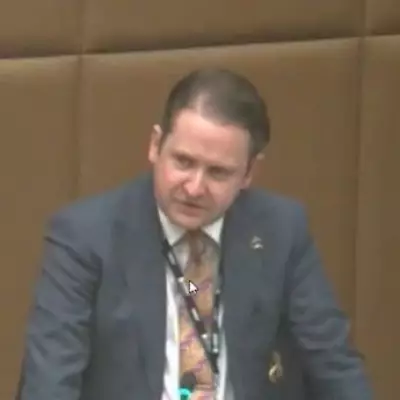
Dennis Reed, from the pension campaign group Silver Voices, commented: "These figures are no surprise. Each year the frozen lower income tax band means that more and more older people are being dragged into the tax system. By the end of this parliament the vast majority of retired people in this country will be paying tax - this is a shocking situation."

Impact on Retirees
Reed explained that most retired people are not earning income from work, so what is being taxed is the state pension and any additions such as a widows' pension or a small private or occupational pension. "Just £20 to £30 extra a month can push you into being taxed and when people are struggling anyway with the cost of living the last thing they need is to be taxed too," he added.
David Little, partner in financial planning at wealth management firm Evelyn Partners, noted: "Beyond making pension contributions, more esoteric schemes to reduce income tax include subscribing to Venture Capital Trusts and Enterprise Investment Schemes, but these are not going to be suitable for most people due to the higher risks involved."
Little also advised: "Finally, drifting into a higher tax band will raise the rate of tax you pay on capital gains and savings interest, and also reduce your personal savings allowance, so those looking to minimise their tax burden must ensure they are sheltering savings and investments where possible in ISAs and using their annual tax exemptions. Couples can use their combined allowances strategically, especially where one is in a lower tax band for earnings."