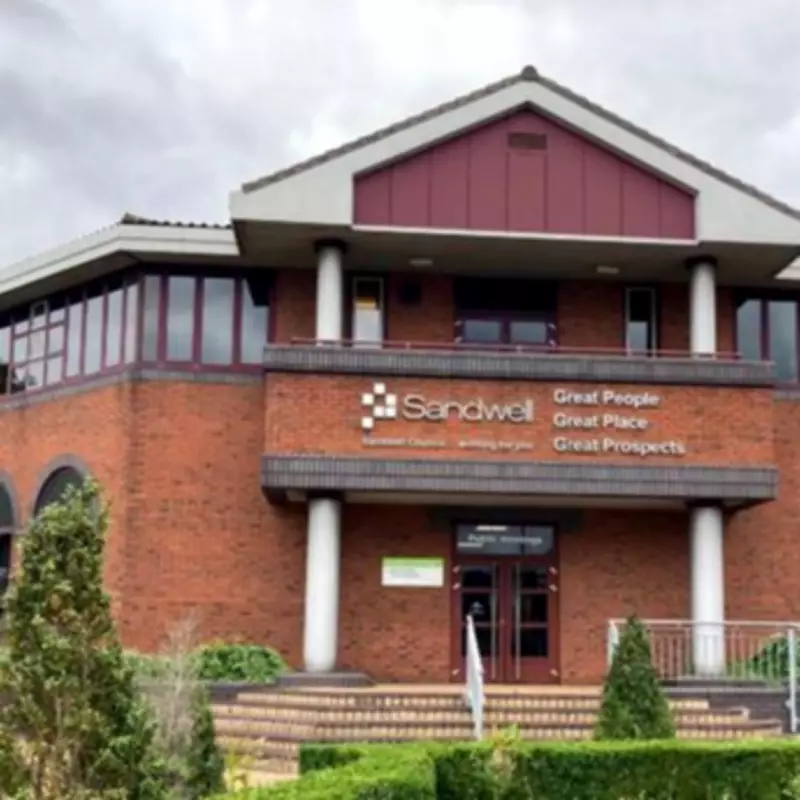
Sandwell Council Approves Maximum Council Tax Rise for 2026/27
Sandwell Council has agreed to a 4.99% increase in council tax for the 2026/27 financial year, the maximum allowed under current regulations. This decision, made at a council meeting on Tuesday, February 24, will see the average Band D bill rise by £111 annually from April next year.
The increase includes precept uplifts from West Midlands Fire Service and West Midlands Police, adding £5 and £15 respectively to the total bill. For Band A and Band B homes, which account for approximately three-quarters of households in Sandwell, the rises will be around £74 and £86 per year.
Budget Investments and Priorities
Councillor Paul Moore, the Labour-run council's cabinet member for finance, outlined the budget's focus on resident priorities. Key investments include:

- £1.5 million for road, pothole, and pavement maintenance and repairs.
- £1.3 million additional funding to combat snow, ice, and flooding during winter months.
- Installation of over 60 new CCTV cameras to tackle fly-tipping and anti-social behaviour.
- Nearly doubling funding to £1 million for a rapid response team targeting rubbish dumping across the borough.
- Doubling funding to combat anti-social behaviour.
- £1 million investment to improve road safety.
- £1 million to enhance play areas, including Jubilee Park in Tipton, Friar Park in Wednesbury, Victoria Park in Smethwick, and Redwood Road, Yew Tree, West Bromwich.
- Opening 34 new 'pop-up' recycling centers to reduce waste sent to landfill.
Cllr Moore stated, "This is a budget that gets things done. This is a budget that will make Sandwell a cleaner, greener and safer place to live – a great place for our children and young people to grow up with a thriving economy, providing opportunities for growth, good jobs and prosperity for everyone."
Savings and Financial Measures
To balance the budget, the council will implement over £8 million in cuts and savings and use £2 million from its reserves. A significant saving of £2.5 million in 2026/27 is expected from last year's switch to fortnightly bin collections, where general waste and recycling are collected on alternate weeks instead of weekly.
Additionally, increases in dozens of the council's fees and charges are projected to raise an extra £238,000 annually.
Political Debate and Approval
The tax rise faced criticism from opposition councillors. Cllr Amrita Dunn, leader of the council's Conservatives, noted that this marks the fourth consecutive year of maximum increases, questioning the council's financial strategy. She said at the meeting, "We are told this council is in a strong financial position. If that is true, why is the answer a maximum rise? I don't understand."
Despite this, the budget was approved by 56 votes to three, with all present Labour and independent councillors voting in favour and three Conservative councillors opposing the proposals.