Inflation in the United Kingdom has climbed to its highest level in three months, as the government warns that global conflicts are exacerbating the cost of living crisis. According to data released by the Office for National Statistics, the Consumer Prices Index (CPI) rose to 3.3% in March, up from 3% in February. This marks the highest inflation rate since December and is attributed to increasing fuel and energy costs.
Chancellor Responds to Rising Inflation
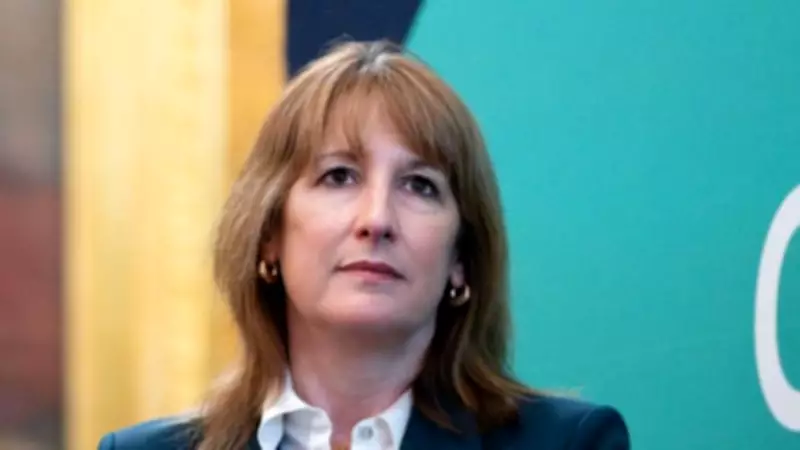
In response to the figures, Chancellor Rachel Reeves stated that the increase is driven by international pressures. "This is not our war, but it is pushing up bills for families and businesses. That's why it's my number one priority to keep costs down. Our economic plan is the right one and has put us in a stronger position to support families in the face of this new crisis," she said.
The chancellor highlighted measures already implemented before the escalation in the Middle East, including a reduction of £117 on energy bills, frozen rail fares, and a fuel duty freeze to protect motorists. She added, "We're acting to protect people from unfair price rises, to bring down food prices at the till, and are boosting long-term energy security, building a stronger, more secure economy."

Economists Warn of Further Increases
Economists and the Bank of England have cautioned that inflation is likely to climb further in the coming months as higher energy costs feed through into everyday prices. The Bank has previously indicated that inflation could reach around 3.5% by the third quarter. The International Monetary Fund (IMF) has suggested that inflation could rise closer to 4% if energy prices continue to surge, which would be double the Bank of England's 2% target.
Impact of Middle East Tensions
The rising costs have been linked to ongoing tensions in the Middle East, including conflicts involving US, Israeli, and Iranian forces, which have disrupted global energy markets and increased oil and gas prices. Concerns over shipping through the Strait of Hormuz, a crucial route for global energy supplies, have also contributed to market uncertainty. The latest inflation data is the first to reflect higher fuel costs since the conflict intensified.
According to RAC data from mid-April, the average price of petrol has risen to 158.1p per litre, approximately 25p higher than at the end of February. Diesel prices have increased even more sharply, reaching an average of 191.2p per litre, up by 49p over the same period. Analysts at Oxford Economics estimate that the rise in pump prices alone could add between 0.2 and 0.3 percentage points to inflation.
Households and Businesses Face Further Pressure
With energy costs continuing to rise, economists warn that households and businesses may face further pressure on budgets in the months ahead. The chancellor reiterated her commitment to protecting consumers, stating, "Every choice I make will be about keeping costs down for families and businesses and building a stronger, more resilient economy."