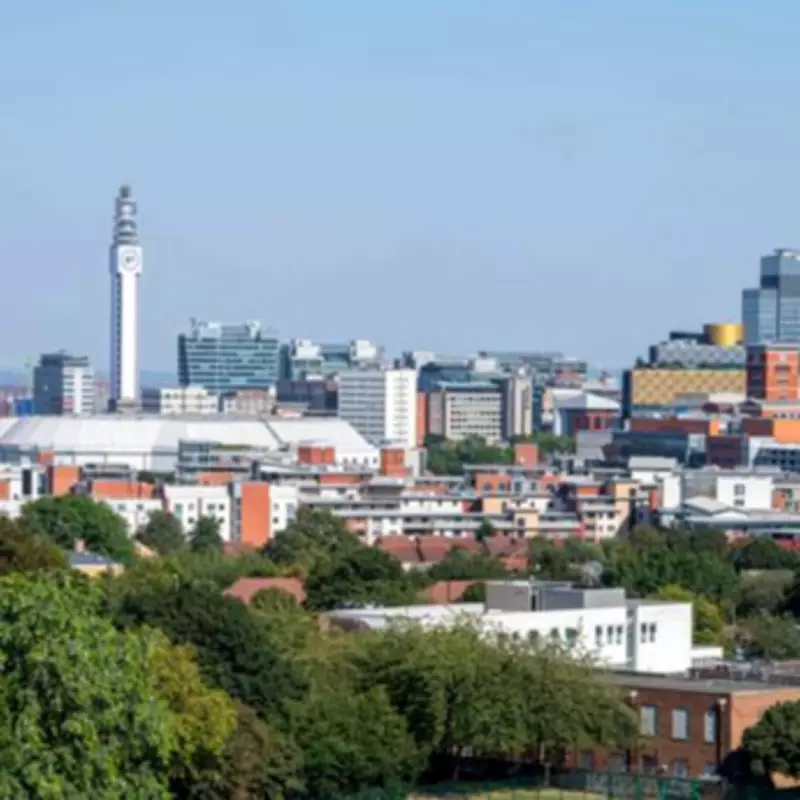
Birmingham's ever-changing skyline, dotted with cranes and construction sites, has sparked a political debate over the future of development in the city centre. As local elections approach, party leaders have outlined contrasting visions for the city's growth.
Conservative Vision: 'Gentle Density' Over Towers
Conservative group leader Coun Robert Alden pledged to drastically change planning policies if his party takes control of Birmingham City Council. He criticised the proliferation of 'generic glass tower blocks that could be anywhere in the world' and proposed a 'gentle density-style approach' instead.
'Frankly building a load of high-rise tower blocks that investors buy doesn't deliver the homes that families and people in Birmingham need,' Alden said. He pointed to mansion blocks in Edgbaston—four to six-storey apartment buildings—as a model that provides necessary density while creating desirable places to live.

Labour's Defence: Density Needed for Housing Crisis
Labour leader Coun John Cotton defended the council's record, arguing that Birmingham is less dense than comparable cities and faces a severe housing shortage. 'The council's own waiting list is still 20,000 households,' he said. 'We need to build more—now that doesn't mean a 'pile them high' approach.'
Cotton emphasised that new developments must include communal spaces and greenery, citing the Future City Plan which proposes new parks and green spaces. 'It's about a decent quality of life which is more about the roof over your head,' he added, noting that areas like the Knowledge and Sports Quarters include housing offers.
Liberal Democrats: Focus on Family Housing
Liberal Democrat leader Coun Roger Harmer criticised past development, saying the council has thrown up 'lots of small apartments' instead of family housing, particularly for social rent. He advocated for five-storey buildings that create a sense of community.
'We should be working with communities,' Harmer said, citing the Ladywood regeneration where he claimed the council failed to engage locals. He stressed the importance of community creation and sustaining existing communities.
Greens: Lower Heights, Genuine Affordability
Green Party leader Coun Julien Pritchard argued that some approved tower blocks are 'too high and massive' and lack genuine affordable housing. 'We shouldn't be building massively high skyscrapers,' he said, advocating for densification near transport links using two to four-storey buildings.
Pritchard called for homes that people can actually afford and vowed to campaign for planning system changes to hold developers accountable on affordability.
Context and Elections
Reform UK was contacted for comment but did not respond. The local elections will see all 101 council seats contested, with Labour defending control against Conservatives, Liberal Democrats, Greens, Reform UK, and independents.
Regarding the Ladywood regeneration, the council stated last year that its partnership with developer Berkeley St Joseph is working closely with residents to understand their needs. At least 20 per cent of homes will be affordable, and a rehousing strategy will prioritise existing residents. The number of council homes will be maintained, with all either renewed or replaced.
A full list of candidates is available on the city council website.