I understand why the people of Birmingham wanted to burn the building down. In many ways, it had become impossible to live in.
Against the backdrop of anaemic growth, broken public services, deep frustration in communities across Birmingham and a generation of children being let down, voters were always going to demand change.
Frankly, they had every right to.

For years, people in this city have watched living standards stagnate while confidence in local government steadily ebbed away. Businesses have battled uncertainty. Residents have endured roadworks that never seem to end and potholes that resemble archaeological sites. Child poverty has soared while parents have worried about schools struggling to provide opportunity for the next generation.
All the while, Birmingham has become synonymous nationally with something no major European city should tolerate: an ongoing bin strike saga that has dragged on for well over a year while the cost of the council has risen.
In that context, this election result should surprise nobody.
The public mood was not ideological so much as exhausted. Residents wanted accountability. They wanted urgency. They wanted competence. Above all, they wanted somebody, anybody, to demonstrate that Birmingham could once again function properly.
I think many would have accepted punishing those in charge.
That is why Labour’s long-standing dominance of Birmingham City Council was always vulnerable. One-party rule, regardless of political colour, eventually breeds complacency. Healthy democracy needs challenge, scrutiny and renewal. Nobody should pretend the previous status quo was working well enough to justify carrying on unchanged.
But while voters were right to demand change, not all change is progress.
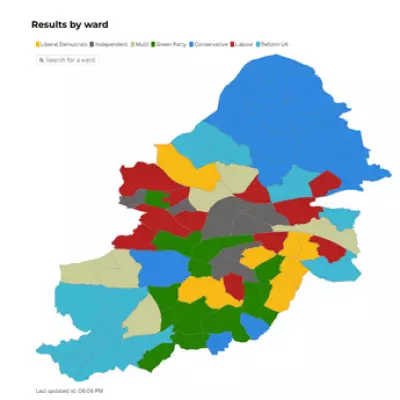
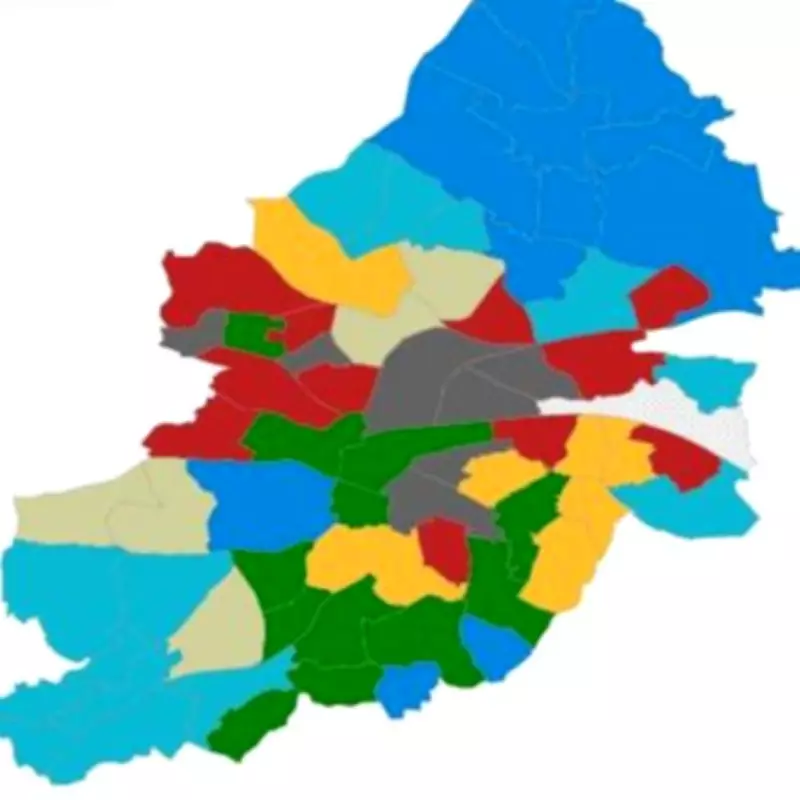
What Birmingham now faces is not a coherent alternative administration with a clear mandate and unified strategy. Instead, we have a fragmented mishmash of parties carving up influence across a council already struggling under the weight of financial crisis, service failures and collapsing public trust.
And that worries me deeply.
Because Birmingham’s problems are not abstract political debating points. They are urgent, structural and painfully real.
This is a council that effectively declared itself bankrupt. A city where residents increasingly question whether basic services can be delivered reliably. A city attempting to regenerate itself while simultaneously firefighting crises on multiple fronts.
Fixing that requires stability. It requires discipline. It requires difficult long-term decisions that cannot simply be reduced to slogans or protest votes.
What it probably does not require is a fractured political landscape where competing groups spend more time reflecting on their differences from one another than governing effectively.
Coalitions can work. Cross-party cooperation can absolutely succeed when driven by shared purpose and mature leadership. But Birmingham is entering this period at perhaps the worst possible moment for political fragmentation.
The scale of the challenge is enormous. Financial recovery alone will take years. Rebuilding public confidence may take even longer.
Meanwhile, residents are unlikely to have much patience left.
People want cleaner streets. They want safer neighbourhoods. They want children to have better chances than the generation before them. They want buses that turn up, roads that are repaired and investment that actually reaches ordinary communities rather than appearing in glossy brochures and mayoral announcements.
Most of all, they want Birmingham to stop becoming a national punchline.
That is why this election carries such significance. It reflects a profound collapse in confidence not just in one party, but in the city’s ability to govern itself effectively.
Reform and other challengers successfully tapped into that frustration. They understood the anger many residents feel when they look around their communities and conclude things simply are not getting better quickly enough.
Yet anger alone is not a governing strategy.
The hard part starts now. Protest politics is easy. Running Birmingham is not.
We feel the weight of this here at BirminghamLive - we will be keeping an eye on whatever the next council is and asking questions on behalf of the people of our city.

The danger is that voters who understandably rejected the old order may now discover that replacing it with a patchwork arrangement creates a different kind of instability altogether. And instability is the last thing this city needs.
None of this is an argument for permanent Labour control. Birmingham deserves better than political stagnation. But equally, change for its own sake is not inherently virtuous. Real progress depends on whether those elected can work together seriously, responsibly and competently to address the city’s long list of entrenched problems.
Back to the metaphor. The old building may well have deserved to come down - I don't mind having ash all over my clothes. What I'd like to see next is Birmingham has assembled the right construction team for the job.