Energy Bill Relief for Millions Begins Today
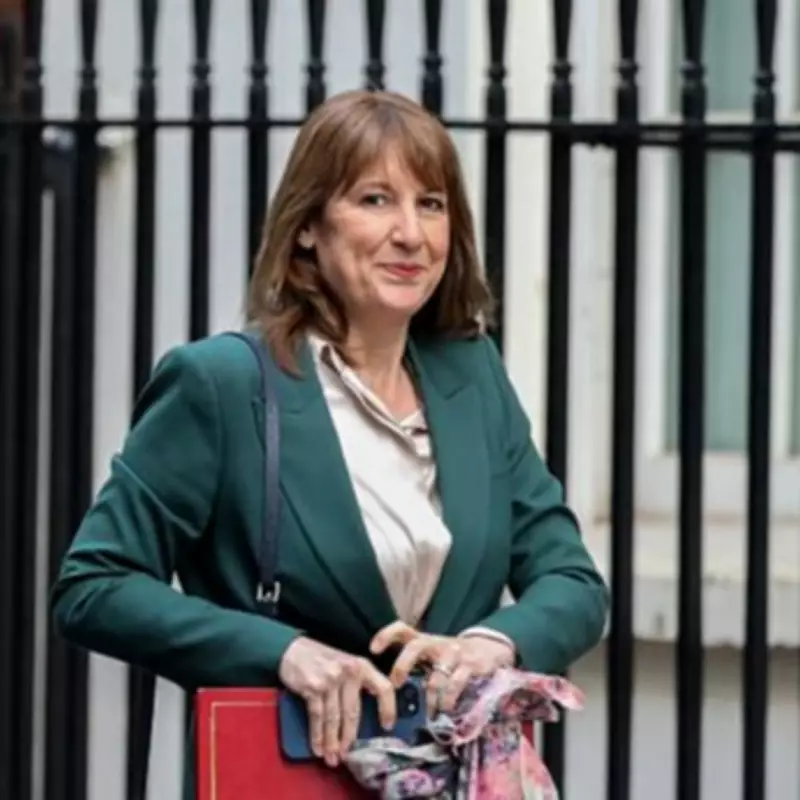
Millions of people across the United Kingdom are set to benefit from new government measures that take effect from today, Wednesday, April 1, 2026. Chancellor Rachel Reeves has confirmed significant changes to energy billing policies, providing much-needed relief for households grappling with the ongoing cost of living crisis.
Immediate Reduction in Energy Costs
The new measures will result in average energy bills decreasing by approximately £117 for many families. This reduction comes as the Labour government has intervened to shift certain green charges away from standard bills, thereby lowering the overall amount customers are required to pay. Energy suppliers are expected to update accounts promptly, meaning millions of customers should start noticing the reduced charges in the coming days.
This intervention marks a rare piece of positive news regarding the cost of living, offering immediate financial respite to countless households. The move is designed to alleviate some of the pressure on family budgets, which have been strained by rising expenses in recent years.

Challenges and Future Concerns
Despite this short-term relief, the government's broader efforts to tackle the cost of living have faced significant obstacles. The ongoing conflict in Iran has severely hampered these initiatives, creating economic uncertainties that threaten to undermine progress. Experts warn that the relief around energy bills is likely to be temporary, with the Middle East conflict expected to drive bills back up from the summer months.
Chancellor Rachel Reeves has acknowledged these challenges, indicating that targeted support may be necessary for the worst-off households as fears of a crisis next winter loom. In an interview with the BBC, Reeves emphasized the need to learn from past mistakes, particularly referencing the response to Russia's invasion of Ukraine.
Targeted Support and Policy Reflections
"I want to learn the lessons of the past because when Russia invaded Ukraine, the richest, the best-off third of households got more than a third of the support. That makes no sense at all," Reeves stated. She highlighted that gas usage is typically lowest from July to September, especially among families and pensioners, due to the summer months.
When questioned about potential future energy bill support, the Chancellor replied, "We're looking at ways in which we can support people based on their household income." This suggests a shift towards more equitable and means-tested assistance, aiming to ensure that aid reaches those who need it most rather than being distributed uniformly across all income levels.
The announcement has sparked discussions about the sustainability of such measures and the long-term strategies required to stabilize energy costs. While today's news brings immediate relief, it underscores the complex interplay between global events, government policy, and household finances in the ongoing battle against the cost of living.