Thousands of UK Households Confront Quadruple Council Tax Charges
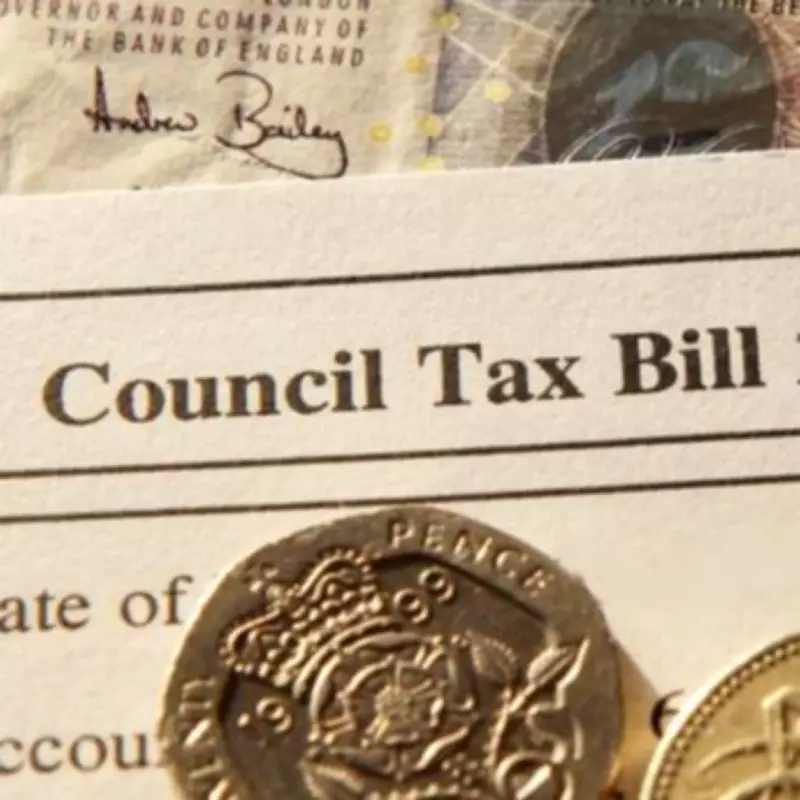
Thousands of homeowners across the United Kingdom are bracing for a significant financial impact as a new council tax levy comes into effect this April. Approximately 5,000 households with second properties will be required to pay a substantial 300 per cent premium on top of their existing council tax bills.
Steep Penalties Introduced in Scottish Regions
From this month, Edinburgh and the Scottish Highlands are implementing some of the most severe council tax penalties for second homes anywhere in the UK. Councils are applying the 300 per cent premium to standard council tax rates, directly affecting around 5,000 property owners.
Under these new charges, owners of an average band D property in the Highlands could face an annual bill of £6,536 once the changes take full effect. Highland Council has indicated that this is only the initial phase, with plans to increase the premium to 350 per cent next year and ultimately reach 400 per cent by 2028.

At the 400 per cent level, the same band D property would attract a staggering council tax bill of £8,170 annually. A report presented to councillors clearly stated that the primary objective is to "encourage owners to bring their properties back into occupation as principal homes."
Mixed Reactions from Political Figures
Ariane Burgess, the Green MSP for Highlands and Islands, expressed strong support for the measure. She stated: "I'm glad that councillors are using new powers to take action against the huge numbers of second and holiday homes and to support local people who want an affordable place to live by putting more homes in circulation."
Edinburgh council leader Jane Meagher reinforced this perspective, adding: "The higher premium for second homes aims to increase housing availability by encouraging owners to bring properties back into active use as permanent homes and increase Edinburgh's available housing stock."
Criticism from Policy Experts
However, not all responses have been positive. Joanna Marchong of the Adam Smith Institute offered a contrasting viewpoint: "Quadrupling council tax on second homes is less about housing policy and more about town halls hunting for new ways to squeeze taxpayers."
She further argued: "And the sad reality is that punitive taxes like this won't solve housing shortages or revive local economies." This criticism highlights ongoing debates about the effectiveness of such fiscal measures in addressing broader housing challenges.
The implementation of these council tax premiums represents a significant shift in local government policy, with clear implications for property owners and housing markets across affected regions.