Walsall Political Groups Detail Election Positions on Key Local Issues
With all 60 council seats across Walsall borough being contested on May 7, political groups have outlined their approaches to several polarizing local issues that will shape the upcoming elections. A total of 282 candidates representing seven different parties are competing for positions that will determine local policy direction.
While national politics will influence many voters, residents will be selecting councillors who have direct control over local matters affecting their daily lives. The Local Democracy Reporting Service has obtained detailed positions from each group regarding three critical areas: green belt development, rewilding initiatives, and housing stock management.
Green Belt Development Under Pressure
Walsall's green belt faces significant pressure as several large plots have been allocated for thousands of homes in the Walsall Borough Local Plan. This document responds to a government directive to build 1.85 million homes within five years, creating tension between development needs and environmental protection.

Advance UK strongly supports protecting the green belt, advocating for a "brownfield first" approach while challenging inappropriate green belt releases. They emphasize infrastructure before development and stronger local plans to reduce costly appeals.
Conservatives maintain their "brownfield first" policy but express concern about planning by appeal, where the Planning Inspectorate allegedly ignores resident wishes. They note that central government directives require Walsall Council to accommodate 14,000 houses in the next decade.
The Green Party prioritizes building on brownfield sites and unused locations while protecting genuine green spaces. They advocate for clearer, community-led planning decisions and proper developer contributions to local infrastructure through Section 106 agreements.
Labour emphasizes prioritizing brownfield and under-used land while protecting the green belt and ensuring properly planned development. They aim to strengthen the local plan to avoid costly appeals.
Liberal Democrats state that greenbelt areas should be protected as much as possible.
Reform attributes green belt pressure to immigration policies and criticizes previous Conservative plans for green belt development. They propose reviewing development sites and seeking professional advice on brownfield remediation.
Walsall Community Independents pledge to protect the green belt from development while ensuring housing is distributed across the borough, not concentrated in built-up areas. They criticize planning appeals that override local decisions and oppose new planning reforms that remove power from elected representatives.
Rewilding Controversy Continues
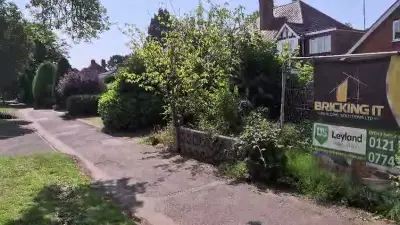
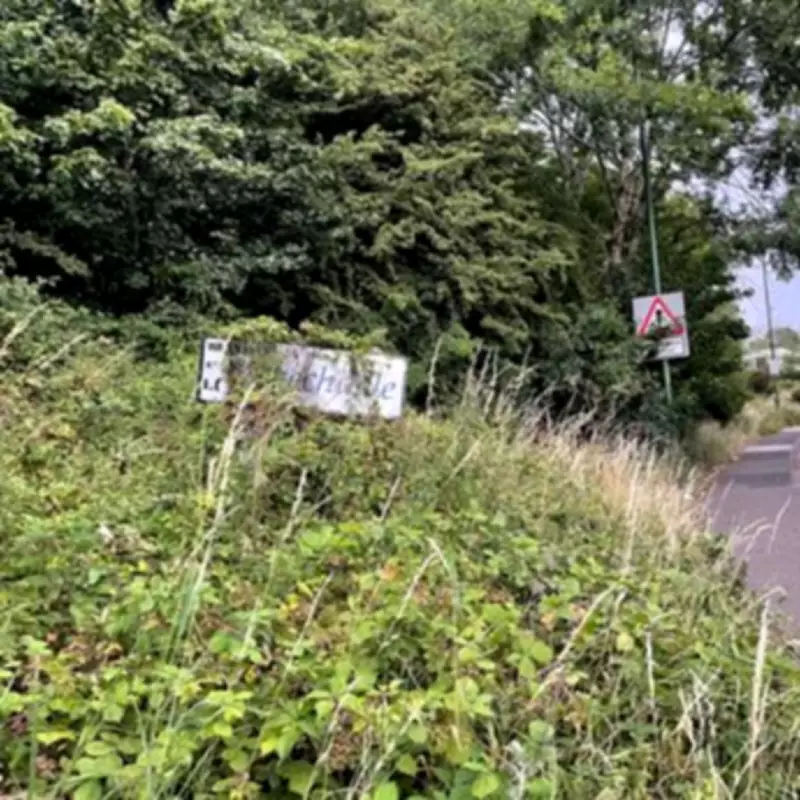
The reduced grass cutting schedules have proven controversial, with the equivalent of 50 football pitches across Walsall being "rewilded" in 2024 and 2025. Additional rewilding planned for last summer to save £50,000 was pulled from the budget following public backlash.
Advance UK supports a balanced approach where green spaces remain safe, usable, and well-maintained rather than appearing neglected.
Conservatives will make decisions based on results from a recent resident survey.
The Green Party criticizes councils that simply stop cutting grass to save money and label it "rewilding." They support proper biodiversity management with wildflower meadows and better habitats, but emphasize resident consultation.
Labour prioritizes well-maintained, safe, and clean neighborhoods with a balanced approach supporting biodiversity where appropriate while responding to resident concerns.
Liberal Democrats suggest letting each ward's electorate decide through council-initiated surveys.
Reform opposes general rewilding at roadsides, arguing it represents neglect that leads to litter, fly-tipping, and anti-social behavior through "broken window syndrome."

Walsall Community Independents believe rewilding works in some areas but shouldn't be used solely to save money. They advocate for more equitable grass cutting across the borough and increased budget for green space maintenance.
Housing Stock Management Debated
All council housing stock was transferred to WHG in the early 2000s. In February 2026, a proposal to make the council a social landlord again was rejected during budget discussions.
Advance UK believes housing must prioritize local people and genuine need, supporting improved stock management, fair allocation, and reduced waiting times.
Conservatives note that WHG housing stock cannot meet increasing demand, and imposed percentages of social/affordable housing in private developments simply increase private house prices.
The Green Party identifies poor quality housing as a major issue, pledging better protection for renters and stronger enforcement against rogue landlords. They propose regular renters' advice surgeries and public reporting lines for disrepair.
Labour commits to building 1,000 new council and social homes over five years, ending B&B accommodation for families within 18 months, and improving existing housing stock to reduce energy bills.
Liberal Democrats want the council to have more influence over WHG to ensure fair tenant treatment and hold housing groups accountable.
Reform plans to meet with local housing providers to understand merger plans and address resident concerns.
Walsall Community Independents propose building and managing council housing directly, investing capital with some borrowing to create social housing across the borough. They also advocate for rent controls and a responsible landlord program.
These positions reveal significant differences in approach among political groups as Walsall residents prepare to vote on May 7. The outcomes will determine how the borough addresses these critical issues affecting green spaces, housing availability, and community infrastructure in the coming years.