One year on from the start of industrial action, Birmingham's bin strike remains locked in a bitter stalemate, with no clear end in sight to a dispute that has blighted streets and divided the city.
The Roots of the Rubbish Crisis
The strike began on January 6, 2025, when refuse workers belonging to the Unite union staged their first walkout. The core issue was Birmingham City Council's (BCC) plan to scrap the Waste Recycling and Collection Officer (WRCO) role. This position, involving 171 operatives, was originally created to resolve a previous dispute in 2017.
BCC argued the role was unique to Birmingham and posed a risk of further costly equal pay claims. The council stated that after "extensive consultation," all affected workers would be redeployed or offered voluntary redundancy. However, Unite fiercely contested this, claiming redeployed workers would face an annual pay cut of around £8,000.

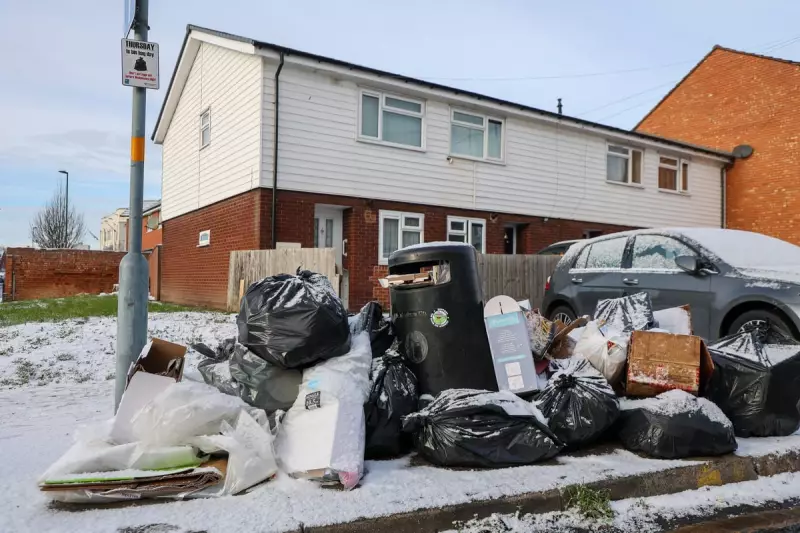
The dispute escalated to a full-scale indefinite strike on March 11, 2025, halting all refuse collections. For months, piles of waste accumulated, creating health hazards and attracting national media attention, with Birmingham once again portrayed as a city failing to manage basic services.
A City Living with the Consequences
The impact on residents has been severe. While a weekly general waste collection was resumed in early summer using agency staff, the regular fortnightly recycling collections for materials like glass, paper, and plastics remain suspended. This has exacerbated Birmingham's already poor recycling rates.
Council taxpayers, facing hikes of over 20% in the last two years to cover the council's financial shortfall, are funding a diminished service. The situation is compounded by the reported cost of the seven government commissioners appointed to oversee BCC's finances, who have collectively received more than £2.1 million in fees and expenses since October 2023.
Unite's resolve has been hardened by BCC's recent job evaluation process, which indicated a downgrading for the driver/team leader role. The union fears this is a precursor to further cuts as the council's finances, which triggered a Section 114 notice in September 2023, remain under intense pressure.
No Epiphany in Sight for Birmingham
Despite BCC's stated ambition to launch a "new waste service from June 2026"—including weekly food waste collection—the current deadlock makes this vision seem distant. The council insists its stance is necessary to create a "sustainable and consistently reliable" service, but negotiations have broken down.
Professor Steve McCabe, a former BCC employee and academic, describes the situation as an "utterly damaging dispute" that undermines the city's reputation with vital outside investors. He warns against a "nuclear" solution of sacking striking workers, who receive £80 per day in strike pay from Unite.
As the strike enters its second year, Birmingham's residents are left hoping for a breakthrough that seems increasingly elusive. The dispute, rooted in roles, pay, and the council's dire finances, has become a symbol of a deeper crisis in local governance, with the city's streets and its people paying the price.