A Birmingham mother of three, who has been living in temporary housing for two years, has provided an update on her situation after the council moved her family to a larger property.
Family's Struggle in Shared Accommodation
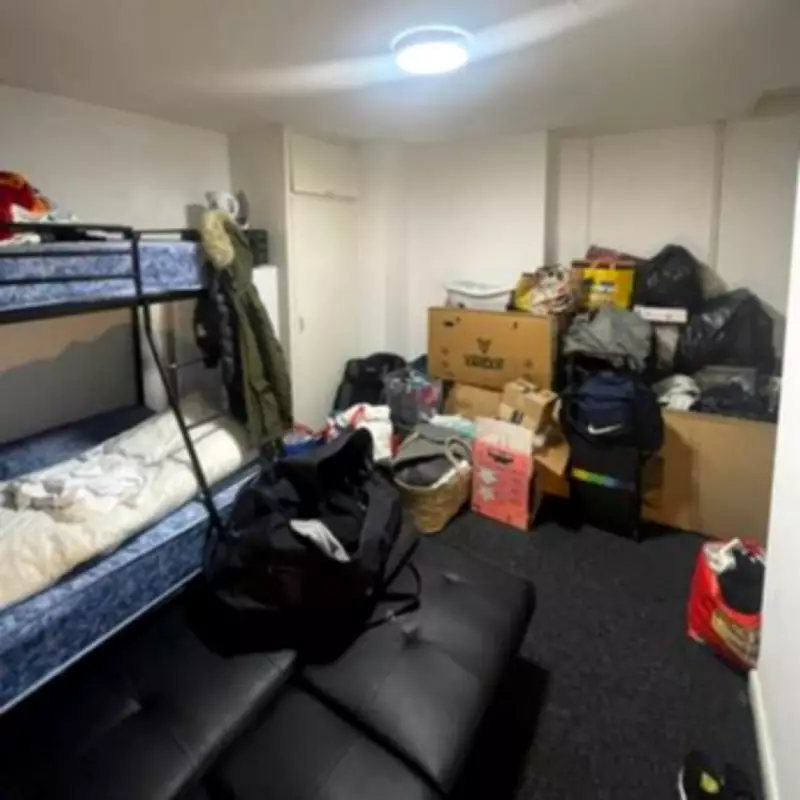
The mother, her partner, and their three children aged two, four, and five, were previously crammed into a single room in a shared house in Balsall Heath. They had to share a kitchen and other facilities with other residents. The family endured numerous issues, including reports of a sex offender living in the same block, threats from drug dealers, and safety concerns about the bunk beds.
Council Response and Move
After sharing her story, the council contacted the mother and moved the family to a temporary two-bedroom flat. The new accommodation is still within the catchment area of her daughter's school. While the children still do not have their own rooms, the mother described it as an improvement over the previous situation.

She expressed gratitude, saying, "Honestly thank you so much for being a voice for people like us, we really appreciate it without your help my kids would still be stuck in the room."
Previous Complaints and Living Conditions
The family had been in the shared accommodation since leaving a mother and baby unit shortly after the birth of their youngest child. Prior to that, they were placed in a bug-infested hotel in Sparkhill, where the mother claimed her month-old daughter was left covered in marks from the bugs.
The mother lodged an official complaint with Birmingham City Council, highlighting the unsafe living conditions. She said, "All the time I'm hearing [from the council] 'we are doing what we can do', but I'm highlighting issues like the sex offender and I'm just getting 'sorry.'"
Council Statement
A Birmingham City Council spokesperson stated that the council takes all safeguarding concerns seriously and works with partner agencies. They said, "Temporary accommodation is used to ensure families are not left without a roof over their heads, and we expect any accommodation used for this purpose to be safe and suitable." The council added that they are working with residents to identify suitable alternative temporary accommodation.
The council encouraged residents to report any concerns promptly, including to the police, so that risks can be assessed and appropriate action taken.
The mother hopes that her story will help other families in similar situations and urges the council to do more to provide safe and suitable housing.