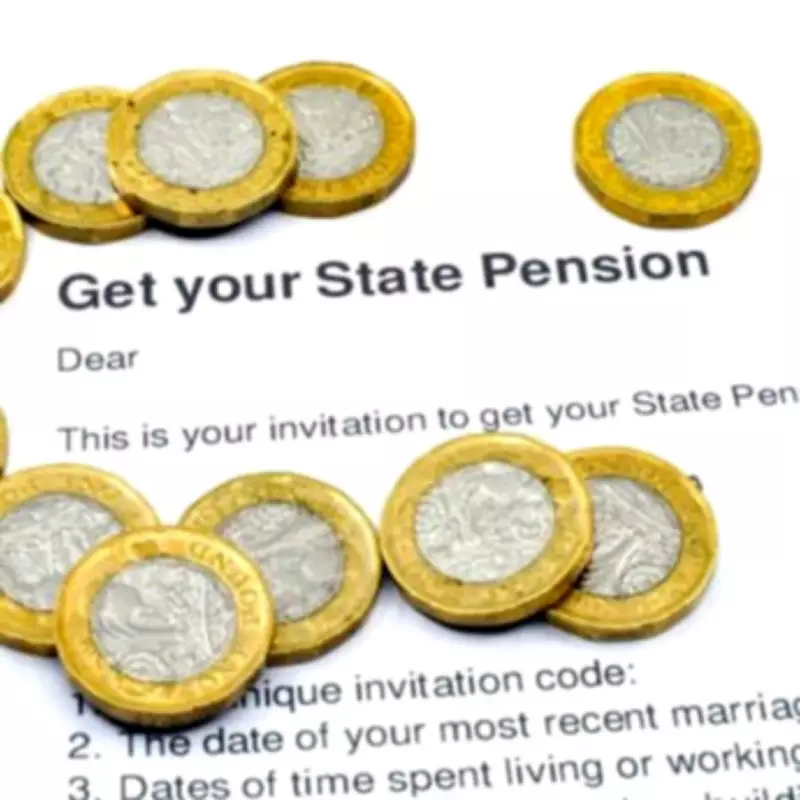
The Department for Work and Pensions (DWP) has the authority to reduce the state pension from £241 to £68 per week for individuals who lack sufficient National Insurance (NI) contributions. This warning comes from Antonia Medlicott, founder and managing director of Investing Insiders, a financial education firm.
Medlicott issued this caution following the implementation of the Triple Lock increase for DWP state pension claimants in April. She explained: "The full rate of the state pension currently stands at £241.30 per week, which amounts to £12,547.60 annually, and it rises each year due to the triple lock. However, this rate is only accessible if you have 35 qualifying years on your NI record, either through employment contributions, voluntary payments, or NI credits."
She added: "If you have fewer than 35 qualifying years, the state pension amount you receive is reduced accordingly, with the minimum being around £68.90 per week for 10 years of contributions." The Government website provides a pension calculator to help individuals estimate their entitlement.

Who Is Affected?
Under DWP regulations, you can claim the new State Pension upon reaching State Pension age if you are a man born on or after 6 April 1951, or a woman born on or after 6 April 1953. Those born before these dates are subject to different rules and will receive the basic State Pension, potentially with Additional State Pension.
To qualify for any new State Pension, you need at least 10 qualifying years on your NI record. A qualifying year is defined as one in which you were employed and made NI contributions, received NI credits (e.g., due to unemployment, illness, or caring responsibilities), or paid voluntary NI contributions. Additionally, you may qualify if you have lived or worked abroad or paid reduced rate NI as a married woman.
Impact of Qualifying Years
The number of qualifying years on your NI record directly influences the amount of State Pension you receive. Medlicott noted: "Currently, the eligibility age for the state pension is 66, but this is expected to rise to 67 by March 2028, depending on your age. If you are unsure about your specific eligibility date, the Government website offers a pension age calculator."
She further warned: "It is also worth noting that, pending ongoing reviews, the age is projected to increase again to 68 between 2044 and 2046. Those who will become eligible around that time should factor this change into their retirement planning."