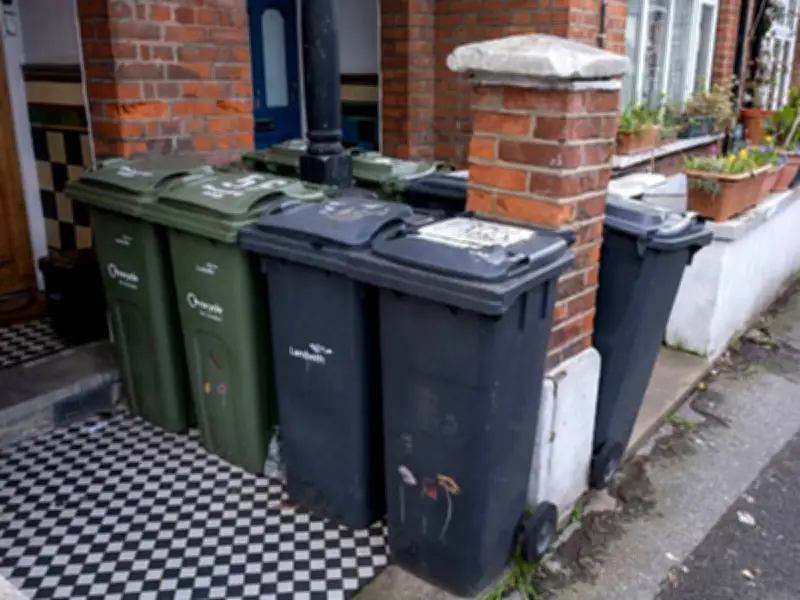
New recycling rules have come into effect in England, with households now prohibited from disposing of 39 specific items in their regular bins. The changes, implemented from March 31, 2026, require most homes and workplaces to use four separate containers for waste: residual non-recyclable waste, food waste (which can be mixed with garden waste where appropriate), paper and card, and all other dry recyclable materials such as plastic, metal, and glass.
Government's Aim to Simplify Recycling
The government states: "We will make recycling easier: citizens will be able to recycle the same materials across England whether at home, work or school, and will no longer need to check what is accepted for recycling in their local area. A universal standard will ensure that everything that can be collected for household recycling is collected in every region."
Items You Cannot Throw Away
The government has published a list of materials that "you do not need to collect" and should not be placed in the containers. These include:


Glass
- Candles
- Drinking glasses
- Flat glass
- Glass cookware (such as Pyrex)
- Light bulbs and tubes
- Microwave plates
- Mirrors
- Vases
- Window glass
- Ceramics such as crockery or earthenware
Metal
- Laminated foil like pet food pouches and coffee pouches
- Electrical items and batteries
- General kitchenware like cutlery, pots, and pans
- Kettles
- Irons
- Pipes
- Metal packaging that has contained white spirits, paints, engine oils, or antifreeze
Plastic
- Any plastic packaging or non-packaging items labelled as ‘compostable’ or ‘biodegradable’, including coffee pods
- Plastic bottles that have contained white spirits, paints, engine oils, or antifreeze
- Bulky rigid plastics such as garden furniture, bins, and plastic toys
- Polystyrene (expanded and high impact) packaging such as packing beads
- Polyvinyl chloride (PVC) packaging
Paper and Card
- Food and drinks cartons made of a fibre-based composite (these should be collected in the plastic stream)
- Absorbent hygiene products (AHPs) including nappies, period products, and incontinence products
- Cotton wool or makeup pads
- Tissue or toilet paper
- Wet wipes
Food Waste
- Compostable packaging
- Biodegradable packaging, which includes coffee pods
Garden Waste
- Animal bedding
- Bulky waste (including garden furniture and fencing)
- Garden tools or other gardening equipment
- Plant pots
- Plastic
- Sand
- Sawdust
- Stone, gravel, or bricks
- Tea bags or coffee grounds
- Branches and trees over a certain size may have to be cut into smaller pieces to follow local guidance