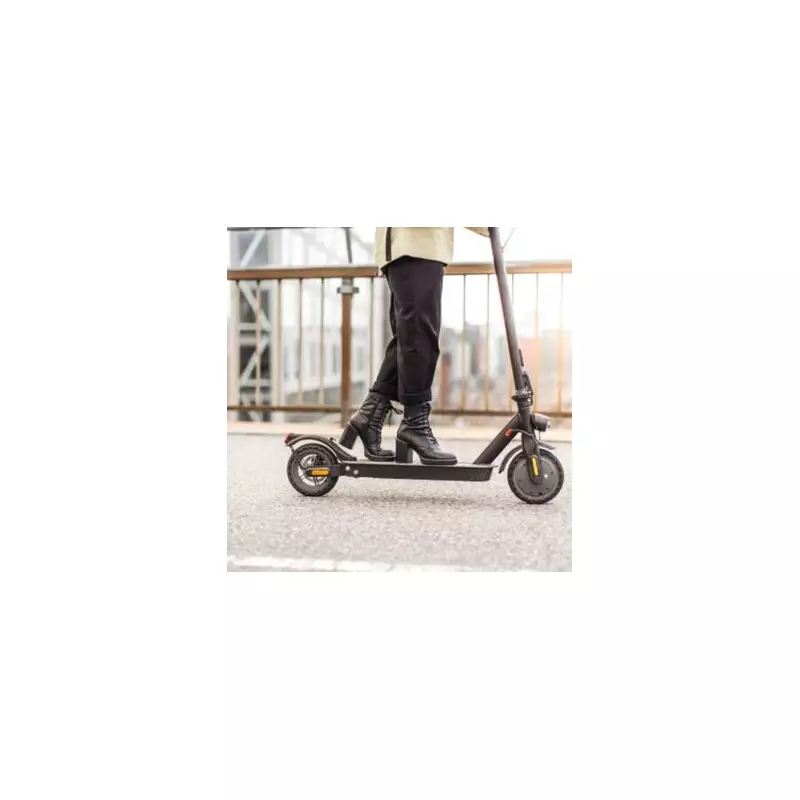
The Labour government has pledged to introduce new legislation to regulate electric scooters and bikes across the United Kingdom. The announcement came during a session in the House of Commons, where ministers faced questions from MPs about the rapid rise in popularity of these micromobility vehicles.
Trials Extended Amid Safety Concerns
In response to growing public concern, Transport Minister Simon Lightwood confirmed that the nationwide rental e-scooter trials, which began in 2020, will be extended. The deadline has been pushed back to May 2028, having been repeatedly prolonged from its original conclusion date this year.
Mr Lightwood stated that the extension allows local authorities more time to gather comprehensive evidence. The government aims to better understand key issues, including:

- The safety of disabled pedestrians.
- How e-scooters integrate with existing transport in towns and cities of different sizes.
- Overall usage patterns and community impact.
The minister argued that the longer trial period provides the industry with greater certainty, encourages continued investment, and allows time to determine the most effective long-term regulatory approach.
Pathway to Full Regulation
While trials continue, the government has committed to pursuing full legislation. Simon Lightwood told MPs that new laws for micromobility will be brought forward "when parliamentary time allows."
He indicated that potential measures under consideration could include mandatory vehicle registration or licence plates for e-scooters. However, he emphasised that any future regulatory framework would be subject to a full public consultation before being enacted into law.
The need for action was highlighted by Tom Hayes, the MP for Bournemouth East, who informed the Commons that his constituency has seen "unprecedented numbers of e-scooter confiscations by police."
Balancing Innovation with Public Safety
The government's dual strategy aims to balance the promotion of innovative transport with ensuring public safety. The primary goal of the extended trials remains to collect robust evidence on safety, public perception, and broader societal impacts.
This evidence-based approach is intended to ensure that any future legal changes are well-informed and effective. The commitment to legislation signals a move towards a permanent, regulated status for e-scooters, moving beyond the current trial phase that has left their legal status in a grey area for years.
The announcement marks a significant step towards creating a clear, national legal framework for e-scooters and other micromobility devices across the UK.