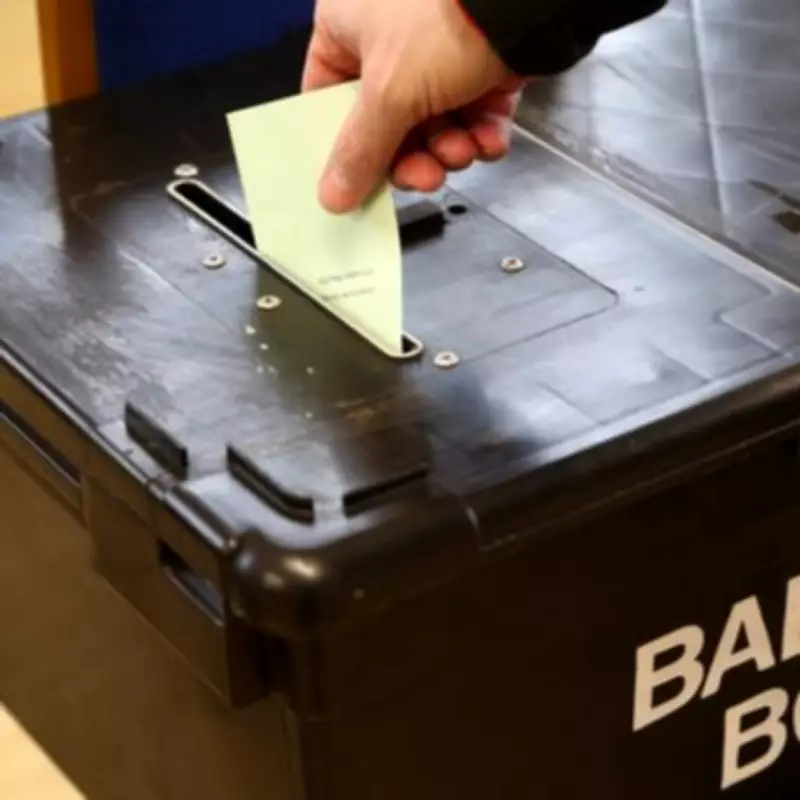
The polls are open across the West Midlands today, and nobody is certain of the outcome. Will Reform UK seize the day in your local council area? Will a rejuvenated Green Party emerge triumphant? Will the Liberal Democrats, always the bridesmaid but never the bride, finally step up to lead the largest local authority in the country in Birmingham? Will the disparate groups of Independents, some sharing values and policies, others standing alone, secure your vote? Will Labour hold on and emerge triumphant in Birmingham and Sandwell, or will the Local Conservatives rise to the top? Nobody knows. But what appears clear to every politics watcher is that every single vote really will count in this election.
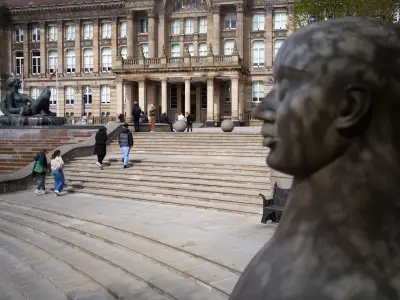
The decision about who will sit in the historic council chamber in Birmingham for the next four years, under the name of your neighbourhood, will be determined today. In many wards, the difference between a candidate winning or losing will likely be marginal. Similar close fights are expected across the region where elections are taking place, including in Solihull, Sandwell, Walsall, Dudley, and Wolverhampton.
Your Vote Matters
Your vote will matter. Your voice will be heard. So please go out and vote. Only about one in three people who are eligible to vote are likely to do so, according to previous local elections, and based on an expectation that the turnout could be even lower this time. This is largely because voters think it is less important to exercise their rights locally than nationally.

Dr Jason Lowther, Director of the Institute of Local Government Studies at the University of Birmingham, says the not-voting majority have held sway in local elections for many years. "Turnout in English local elections has long lagged well behind participation in national votes, and that gap shows little sign of closing. While general elections routinely draw around two-thirds of the electorate, local contests often attract barely a third, and sometimes much less. This is not a recent slump but a durable feature of the political landscape, noted by scholars since the post-war period. Even waves of institutional reform, from repeated council reorganisations to experiments with elected mayors and postal voting, have done little to shift the underlying pattern."
Perceived Importance
Even when an election has drawn considerable interest, like Birmingham's today, it is felt that local votes are less important, he said. "At the heart of the issue is a question of perceived importance and the ability of citizens to influence decisions. Voters generally see Westminster as the arena where real decisions are made, while local councils are often viewed as administratively constrained and financially dependent on central government. This reflects the extreme over-centralisation of power and funding in the English system of government, which is an international outlier with very little control of revenue by local councils. That perception lowers the stakes: if the outcome appears unlikely to have much impact, the incentive to turn out diminishes."
The problem is compounded by information gaps. Local campaigns normally receive less media coverage, candidates are often less visible, parties invest less in publicity, and much of the political discussion is on issues where local councils have limited remit, such as health services or immigration policy.
If you have the chance to vote today, please use it. Your vote will determine the future of your community for the next four years. Make your voice heard.