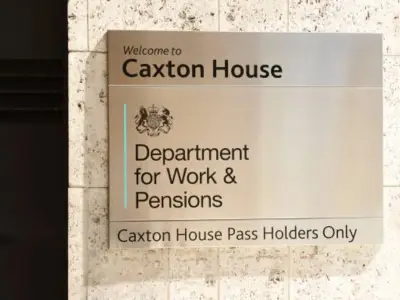
The Department for Work and Pensions (DWP) has introduced stringent new measures this week that could see individuals with unpaid benefit debts stripped of their driving licences. The crackdown, part of the Public Authorities (Fraud, Error and Recovery) Act 2025 (Pafer Act), aims to recover up to £14.6bn in overpayments, mistakes, and fraud over the next five years.
Immediate Actions and Enforcement Timeline
Letters are currently being sent to thousands of people with outstanding balances, warning them of the consequences of ignoring their debts. Under the new rules, the DWP can bypass courts to directly seize money from bank accounts. For debts exceeding £1,000, a court order can be used to revoke driving licences unless the car is strictly required for employment. While the rules legally took effect this week, active enforcement will not begin until October 2025, giving debtors time to clear balances or arrange payment plans.
Minister's Statement and Policy Intent
DWP minister Andrew Western stated: "Hardworking taxpayers deserve a system that pursues those who deliberately dodge their debts, and that is exactly what these new powers deliver. To anyone with an outstanding debt, our door is open and DWP will always work with you to find an affordable way to repay. But for those who can pay and won't – we're going further than ever before to claw back cash and crack down on fraud."

Background and Welfare Spending Context
The Pafer Act compels banks to share data to help identify fraudsters. The changes come amid intense political debates over rising welfare spending. Forecasts indicate that public spending on welfare reached £333bn during 2025/26, with pensions accounting for over half (£177bn), including £146bn for the State Pension. The remaining funds supported disabled people, child welfare, and working-age benefits. The total welfare bill is projected to rise to £400bn before the end of the decade.
Previous Attempts to Control Costs
Ministers had earlier attempted to curb spending by altering working-age benefits to encourage unemployed people to return to work. However, a backbench Labour revolt last summer diluted those plans over concerns they would harm people with disabilities.