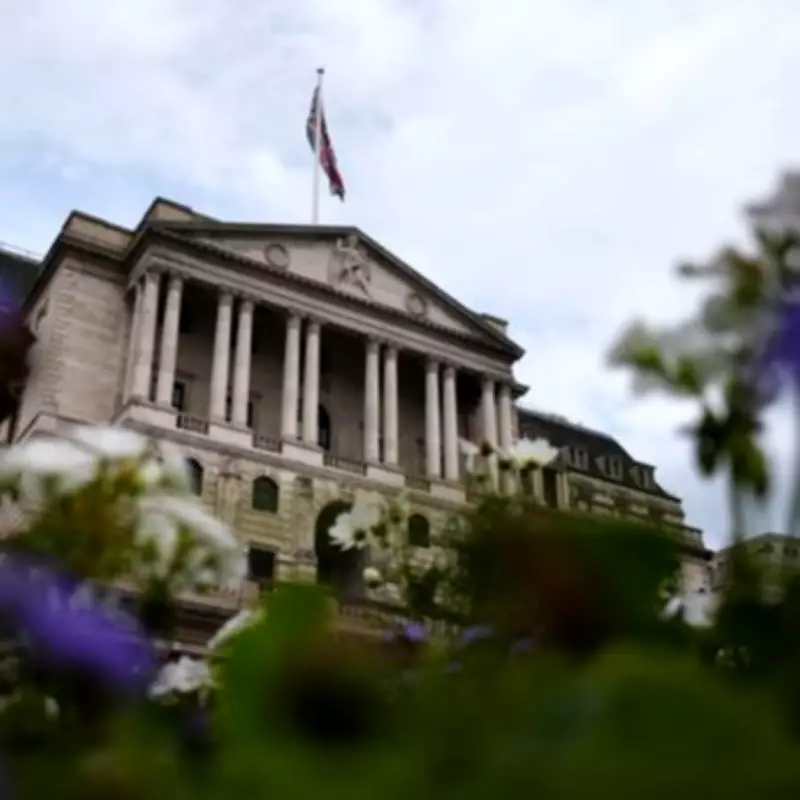
The Bank of England has confirmed that interest rates will remain at 3.75%, a decision that has disappointed hopeful homebuyers. However, the central bank has signaled that higher rates could be implemented later this year, as the war in the Middle East makes higher inflation unavoidable.
Bank of England Governor's Warning
Andrew Bailey, the governor of the Bank of England, stated: "The war in the Middle East is causing inflation to rise again this year." This warning comes as the conflict continues to disrupt global markets and supply chains.
Chancellor's Response
Chancellor Rachel Reeves released a statement following the announcement, emphasizing that the Iran war is "not our war, but it is one we have to respond to." She added: "Every choice I make will be about keeping costs down for families and businesses, without repeating the mistakes we've seen in the past that resulted in higher inflation and higher interest rates." Reeves noted that the UK entered this conflict in a stronger position due to government choices to build economic stability and is taking steps to reclaim energy security.

Impact on Homebuyers and Mortgages
Fergus Allen, Head of Bridging at Clifton Private Finance, commented on the Bank of England's decision and its implications for those looking to buy property. He explained that the hold at 3.75% was widely expected, reflecting a measured response to inflationary pressures and ongoing market uncertainty following the outbreak of the Middle East war.
"The base rate holding at 3.75% is largely because inflation remains above the 2% target and continues to show signs of volatility, with chances of rebounding back upwards amid the ongoing conflict. Any future reductions will need to carefully balance inflation control with the impact of rising costs," Allen said.
For homebuyers hoping for further rate cuts by year-end, this decision is a significant blow. Allen noted that lenders are likely to hold firm or increase current mortgage rates, meaning those coming to the end of a fixed term or buying for the first time could face higher monthly repayments, reduced affordability, and fewer products to choose from.
Challenges for Expats and Bridging Finance Users
Expats looking to return to the UK may also feel the pinch. Mortgage approvals can already be challenging for expats without a recent UK address or credit history, and with rates remaining high, lending criteria may become even more stringent.
Additionally, those relying on bridging finance to purchase a home may feel the impact of rates being held at 3.75%. While these loans can be useful when funds are needed quickly, such as when buying a property before selling another, higher interest rates make them more expensive and can cause problems if a sale is delayed or there is no clear exit strategy.
Allen advised: "That's why, in the current market, it is vital to seek expert advice and ensure your repayment plan is realistic before proceeding with a bridging loan. With no clear roadmap for future cuts, buyers, expats, and those using short-term finance should consider acting now and seeking advice from a specialist who understands their situation. Waiting in the hope of further drops could mean missing out on the most competitive rates currently available."