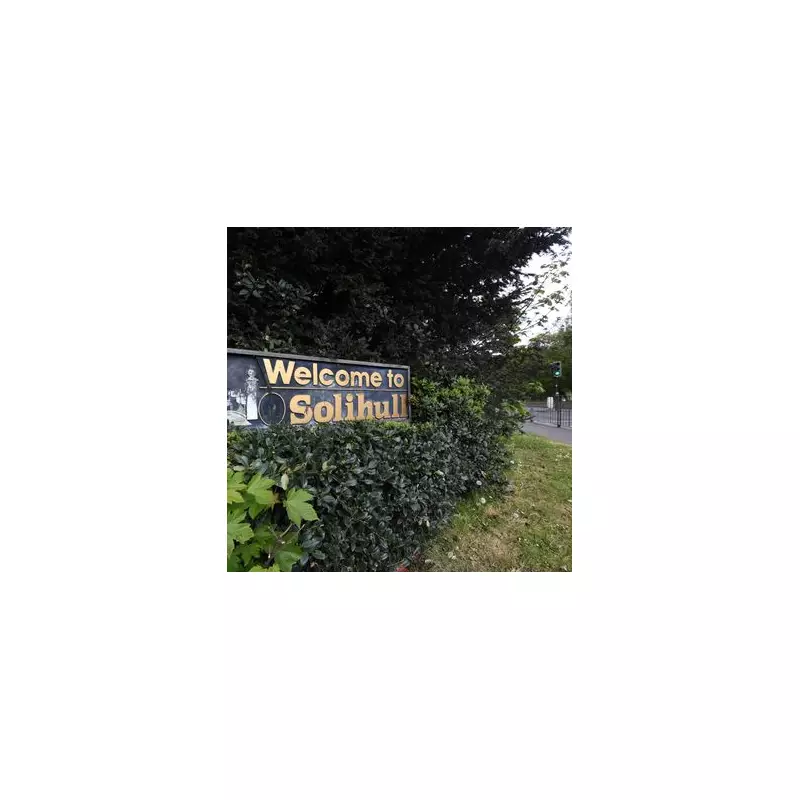
The protracted battle over Solihull's future housing development has entered a new phase following direct intervention from the government. A letter from a senior minister has added fresh pressure on the local authority to accelerate its long-delayed strategic housing plan.
A Plan Mired in Dispute
The saga surrounding Solihull's 'local plan' has been ongoing since 2022. This critical document, which guides all future planning decisions once adopted, has been a source of significant conflict between the Conservative-run council and the government's planning inspectorate. A central point of contention has been the location for approximately 2,000 extra homes, required to meet housing needs stemming from the wider Birmingham area.
This dispute culminated last year when councillors were forced to scrap the entire draft plan after the inspectorate formally instructed the council to withdraw it. The planning landscape has since shifted, with the government setting Solihull a target to build 8,500 new homes by 2029 and introducing the concept of 'grey belt' – lower quality green belt land deemed suitable for development.

Ministerial Disappointment and a Tight Deadline
At a cabinet meeting on 11 December, Councillor Andy Mackiewicz, the cabinet member for planning, revealed the council had received a letter from Matthew Pennycook MP, the Minister of State for Housing and Planning. The minister's correspondence expressed 'disappointment' that Solihull Council was not committed to submitting a new local plan by December 2026.
This date is crucial due to national reforms. Councillor Mackiewicz explained that while new plan-making arrangements are set to take effect in 2027, transitional rules allow councils to complete the process under the old system if they finalise their plan before the end of 2026. The minister has also requested that the planning inspectorate conduct an 'advisory visit' to the council to assess progress.
Council Response and Green Belt Fears
In response, council leader Councillor Karen Grinsell insisted the letter did not alter the authority's intended course. She confirmed plans to launch a six-week public consultation on 'issues and options' in early 2026, continuing the development process. However, she acknowledged the immense scale of the challenge, stating: "The seriousness of the housing numbers that we are being asked to take, is huge."
Concerns about the impact on the borough's protected landscapes were voiced forcefully. Green councillor Max McLoughlin warned that "Rushing this is the worst of all worlds" and that the consequences would be permanent. Deputy leader Councillor Ian Courts framed the planning changes as an 'existential threat to the green belt', remarking that green belt terminology had not seen such potential change since the post-war period.
Despite the pressure, senior councillors at the meeting agreed to proceed with the planned consultation, emphasising the need for thorough public engagement as advocated by Reform councillor Michael Gough. The council maintains that work is progressing, but it now faces a race against time to reconcile local concerns, government targets, and the protection of Solihull's cherished green spaces.