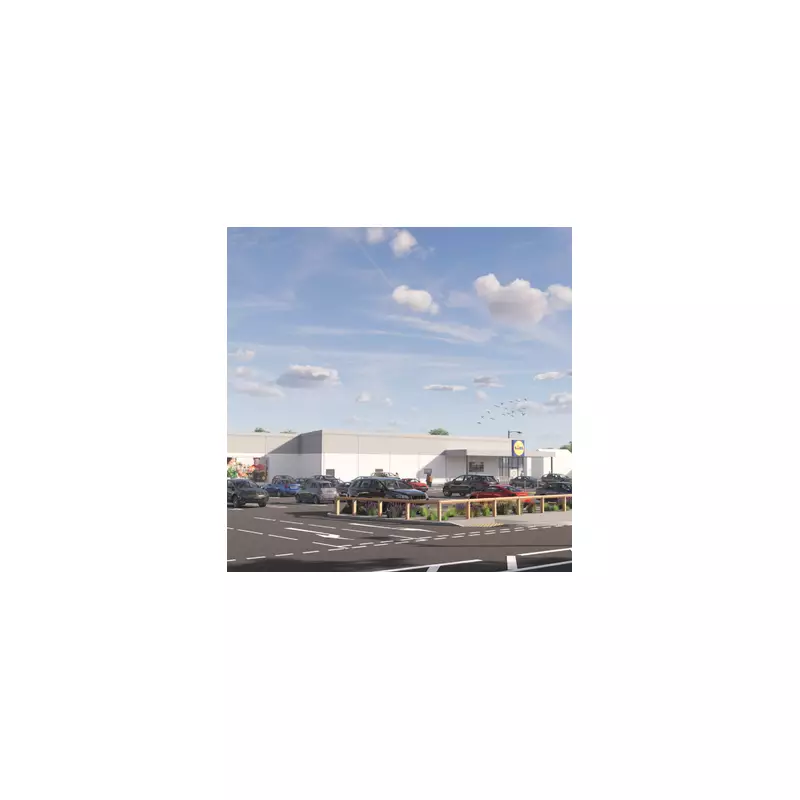
A new Lidl supermarket planned for Wolverhampton has been given the green light to sell alcohol, following a significant withdrawal of objections by the city's public health team.
Licence Approved Following Revised Conditions
Wolverhampton City Council's licensing committee approved the application on January 8, permitting the sale of alcohol between 7am and 11pm daily. The decision came after a key hurdle was removed when public health officials retracted their formal objection, having sought legal advice.
Officials had initially raised significant concerns regarding the potential sale of super-strength alcoholic beverages, citing Wolverhampton's troubling statistic of having one of the highest alcohol-specific mortality rates in the country. Their primary condition was to prevent the individual sale of high-strength cans, ensuring they could only be purchased in multipacks of four or more.

Addressing Community Health Concerns
Lidl agreed to this and other stringent licence conditions, which were negotiated with West Midlands Police and the council's own licensing officers. The agreed measures include:
- Comprehensive CCTV coverage within the store.
- Mandatory staff training to prevent underage sales.
- The specific restriction on single-unit sales of super-strength alcohol.
This collaborative approach allowed the application to proceed smoothly to approval, balancing commercial interests with public health safeguards.
Regeneration of a Brownfield Site
The new store will be constructed on the site of the former FA Gills sausage factory and abattoir on Parkfield Road, a brownfield site that ceased operations in 2023. City of Wolverhampton Council granted full planning permission for the development in October, which includes not only the supermarket but also a significant housing element.
The project promises substantial local investment, including:
- 40 new full and part-time jobs at the supermarket.
- A 110-space customer car park.
- The construction of up to 17 new homes, ranging from one to four bedrooms, designated as affordable and family housing.
- Remediation and active use of a long-vacant industrial parcel of land.
Demolition of the old factory buildings was approved last month, clearing the way for construction to begin. In their planning statement, Lidl emphasised the development's community benefits, stating it will provide "a fit for purpose facility", bring inward investment, and deliver much-needed housing in a sustainable location.
The resolution marks a significant step in the regeneration of the area, transforming a disused industrial site into a modern retail and residential hub while directly addressing specific local health concerns through a legally-binding operating licence.