Visually Impaired Padel Champion Paul Jenkins Inspires Others Despite Sight Loss
A 74-year-old visually impaired international padel player from Cwmbran is using his passion for sport to inspire others living with sight loss. Paul Jenkins, a grandfather of seven, has been coaching and playing padel – a racquet sport blending elements of tennis and squash – for an impressive 17 years. However, his sporting journey has faced new challenges since he was diagnosed with a form of macular disease in 2023.
Diagnosis and Adaptation
Paul was diagnosed with age-related macular degeneration (AMD) after noticing blurry vision during padel matches. "First it was more driving at night and I noticed I was getting a lot of glare from other road users," Paul explained. "Then when I was playing padel I noticed a bit of blurred vision. I went to have my eyes tested and that's how I was told I had macular degeneration."
Macular disease remains the leading cause of blindness in the United Kingdom, affecting nearly 1.5 million people nationwide. The condition can have devastating effects, often leading to:

- Loss of ability to drive
- Difficulty reading
- Challenges recognising faces
- Increased risk of loneliness and isolation
Despite there being no cure for most forms of the disease, Paul maintains a remarkably positive outlook. "I've had cancer five times, but I think being told you are going blind is probably the worst of what's left," he shared. "But I'm such a positive person. I asked what it all meant and I was told about injections and that full blindness isn't really what happens here."
Sporting Passion and National Pride
Paul's sporting journey began unexpectedly after he retired from running a car dealership in Bristol and moved to Spain in 2007. It was there that he discovered padel, despite initial reservations about his ability. "I was 20 stone and thought I'd be terrible at it," he recalled. "I'd never heard of it but I went along, I was handed an old racket with little expectation but I was actually very good."
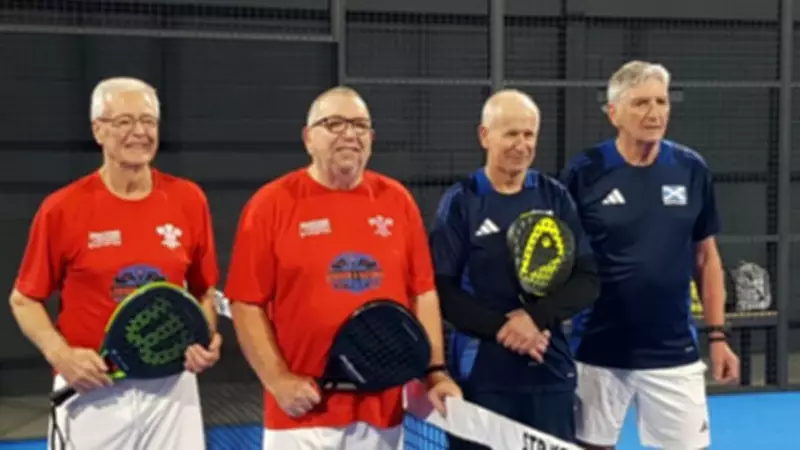
Now competing with the Four Nations Wales men's team for players over 60, Paul describes representing his country as "a very proud moment." He has developed unique strategies to compensate for his changing vision. "Now, because I've got this slight double vision and blurriness, my timing isn't quite as good as it was," Paul explained. "To compensate, I try and make sure that I play the shots that people are not expecting."
He has developed a particular affinity for using the glass walls that typically enclose indoor padel courts. "For me, the glass is my friend, and because I'm old, I quite often would prefer to let the ball go past me, bounce, hit the glass, and then I'll take my shot, as it gives me more time to think," he described.
Inspiring Others with Sight Loss
Beyond his personal achievements, Paul is passionate about encouraging others with visual impairments to embrace physical activity. "Padel is a fantastic social sport, but even if people don't want to try it, try pickleball, try the gym, play some tennis, or squash, or try jogging or walking," he urged. "Whatever you can do, do it."
He emphasises that participation matters more than athletic excellence. "Even if you can't see well, you don't even have to be an athlete, it doesn't matter. In padel I position myself at the back more than be the runaround and that's my game. It's great what people can still do so they should give it a go, try something new."
Paul remains determined to continue both playing and coaching for as long as possible. "I am always trying to stay positive because I want to continue playing and coaching. I want to enjoy this sport for as long as I can because if my sight is no good, then it will be a great struggle," he said. "I just want people to enjoy padel too as much as I have in the 17 years I've been playing."
His story serves as powerful inspiration, demonstrating how determination and adaptation can help overcome significant health challenges while continuing to pursue sporting passions and inspire others in the community.