EasyJet Issues Summer Travel Warning Amid Fuel Price Volatility
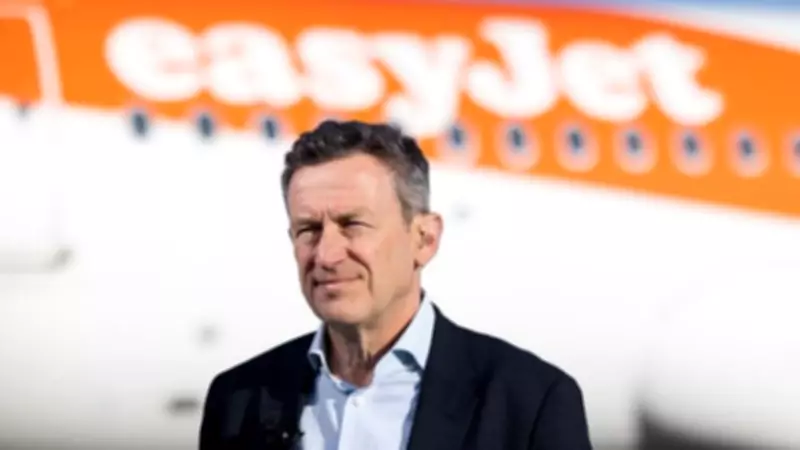
Holidaymakers planning to fly with easyJet this summer are being advised to book their tickets early as the airline faces surging fuel costs linked to the ongoing conflict in Iran. EasyJet's chief executive officer, Kenton Jarvis, has highlighted that aviation fuel prices have become 'very volatile' since the war began, raising concerns that prolonged high costs could lead to increased fares for passengers.
Fuel Hedging and Future Price Risks
Speaking at Newcastle Airport, where easyJet announced plans to open a new base, Mr Jarvis explained that the airline has protected itself from immediate price shocks by purchasing fuel in advance through hedging strategies. This approach has secured attractive prices for the coming months. However, he warned that if fuel prices remain elevated over time, ticket prices are likely to rise accordingly. "One thing we have seen is that fuel has been very volatile over the last few weeks since this terrible war started and we're seeing it completely elevated at the moment," he told the Press Association. "As an airline, easyJet is very well-hedged, so we buy our fuel in advance, which means we've got fuel at attractive prices for the coming months. But over time, yes, I expect if fuel remains at this level, the prices will become elevated. Fuel prices will have to go up, in which case, I just recommend booking as early as possible."
Newcastle Airport Expansion and Job Creation
The comments came as easyJet confirmed it will establish a new base at Newcastle Airport, stationing three aircraft there and operating 86 flights per week across 22 routes. This expansion is expected to support around 1,200 jobs in the UK, including 140 roles for pilots and cabin crew. Mr Jarvis arrived in Newcastle on a specially arranged flight from Luton and noted that the airline has experienced strong growth from regional airports, with UK expansion outside London increasing by more than 30% over the past three years.

Market Shifts and Economic Challenges
Despite the uncertainty caused by the Gulf crisis, Mr Jarvis emphasized that easyJet is focused on long-term growth. He also pointed out the tight margins under which airlines operate, revealing that easyJet typically makes between £6 and £7 per seat. This slim profitability means the company would need to find efficiencies to offset rising costs if fuel prices stay high. Additionally, the conflict has influenced holiday demand, with bookings increasing for destinations such as the Canary Islands, Spain, Portugal, Malta, and Greece, while demand for Turkey and Cyprus has softened. Mr Jarvis stated that overall demand for holidays remains strong, despite broader cost-of-living concerns.
Historical Context and Government Priorities
Looking ahead, Mr Jarvis suggested that prolonged conflict could impact travel demand but referenced past global crises as a guide. "If the conflict is, from a booking's perspective, like Ukraine or the Hamas attacks, what happened historically is that bookings start to rise again after about six weeks. So, right now, it's in line with what we're expecting," he said. When asked about messaging for Prime Minister Sir Keir Starmer, Mr Jarvis urged that aviation must remain a priority for economic growth. "What I would say, as CEO, is to make sure that they think of aviation and they think of the importance of the economy of growth in aviation."