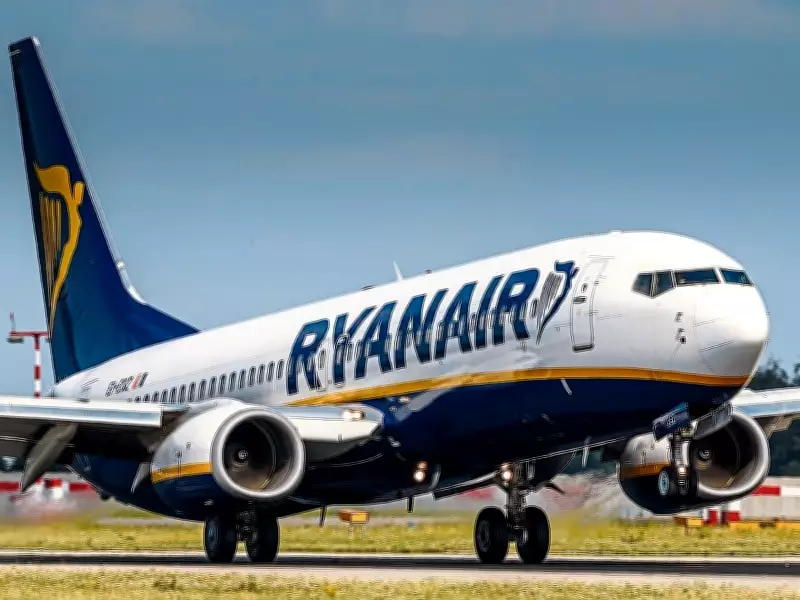
Ryanair is set to reduce flights from Birmingham Airport following the announcement that it will close its operating base in Berlin. The budget carrier has officially confirmed the closure of its seven-aircraft base at Berlin Brandenburg Airport (BER), effective from 24 October 2026.
Impact on Birmingham Flights
This move will lead to a 50 percent reduction in Ryanair's flight capacity to and from the German capital. Services from London, Manchester, Birmingham, and Edinburgh will all be affected. Ryanair currently operates direct flights from Birmingham to Berlin multiple times a week, with departures typically in the morning or early evening and a flight time of approximately 1 hour 55 minutes.
Reasons for the Closure
Eddie Wilson, Ryanair DAC CEO, stated: "We regret to announce this planned closure of our 7 aircraft Berlin base from October 24, 2026, but we have no alternative following the Airport's latest 10 percent fee increase to its already high airport fees. This comes on top of the 50 per cent increase in Berlin's airport fees since 2019."

Mr Wilson emphasised that efficient operations and competitive airport fees are essential for Ryanair to deliver long-term traffic growth and increased connectivity. He added: "This is impossible at Berlin following the German Govt's failure to abolish its harmful aviation tax and Berlin Airport's decision to again increase its already high airport fees. With no meaningful cost reform in Berlin or in Germany nationally, we have no alternative but to switch aircraft from Germany to other more competitive markets elsewhere in Europe."
Passenger Numbers to Drop
As a result of these cutbacks, Ryanair's passenger figures at Berlin are forecast to plummet from 4.5 million to 2.2 million by next year. The airline has blamed the reductions on escalating airport fees, which have jumped by 50 percent since the pandemic, with an additional 10 percent increase looming.
Expansion Elsewhere
In contrast, Ryanair has announced it is hiring 100 additional cabin crew at its London Stansted hub, as part of its strategy to transport 300 million passengers by 2034.