Gloucester Docks Silt Crisis Sparks Urgent Calls for Sustainable Navigation Fix
There are escalating calls for a permanent, long-term solution to the severe navigation disruption and waterfront business impacts caused by massive silt accumulation at Gloucester Docks. The issue came to a head following unprecedented silt ingress during 2025, which saw around 50,000 cubic metres of sediment enter the docks – approximately ten times the normal annual amount.
Root Causes and Public Briefing
The primary cause of the silt problem stems from water being pumped from the River Severn into the docks, which is then channeled down the Gloucester and Sharpness Canal to supply half of Bristol's drinking water. This process has been exacerbated by evolving environmental regulations and changes in dredging practices over recent years.
The severity of the 2025 situation prompted a major public briefing at Llanthony Secunda Priory on March 5, attended by dozens of concerned stakeholders. The event brought together leadership from the Canal and River Trust, Gloucester MP Alex McIntyre, Gloucester City Council representatives, various business groups, and key waterway stakeholders to discuss the crisis and explore potential forward paths.

Substantial Dredging Investment Announced
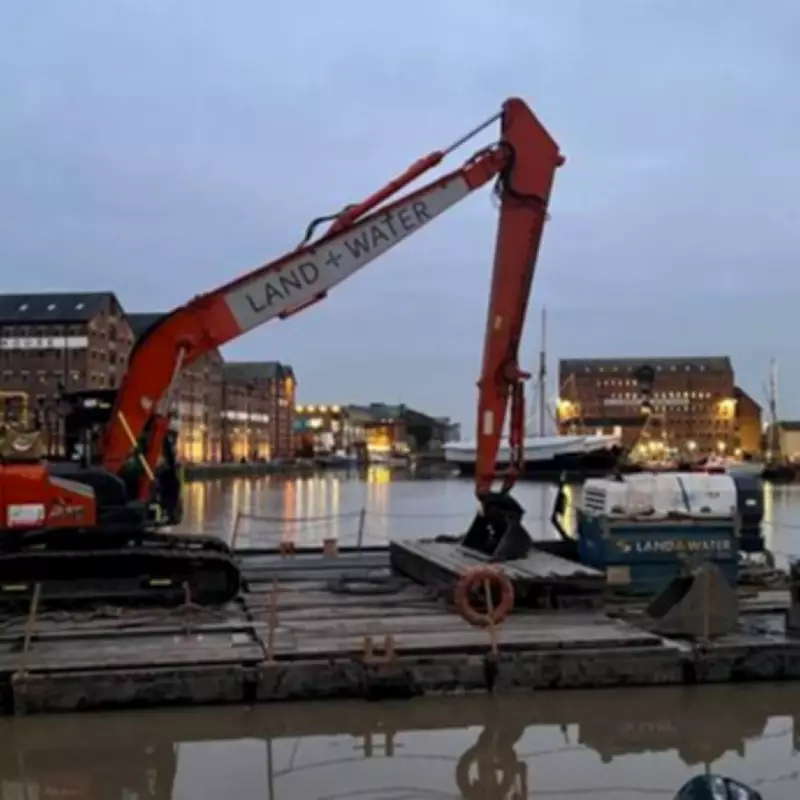
Canal and River Trust officials revealed significant new dredging investment as part of a recovery programme specifically for Gloucester Docks. The trust confirmed that £2.8 million has already been expended on recovery dredging during the current financial year, with an additional £2 million allocated for dredging works in the upcoming financial year.
Remarkably, Gloucester will account for approximately one-third of the trust's national dredging budget throughout the recovery period. Trust leadership acknowledged that future baseline dredging budgets for the Gloucester and Sharpness Canal will need to increase substantially beyond historical levels to address the ongoing challenge.
The recovery dredging works will include access to the traditional shipbuilding and restoration specialists T. Nielsen and Company's dry dock, along with local moorings, in addition to the main navigation channel.
Political and Business Perspectives
Gloucester MP Alex McIntyre delivered a stark warning about the sustainability of repeated dredging as a solution. "We can't keep throwing money into a leaky bucket," he stated emphatically. "We need to learn the lessons from what happened and make changes so that we're not simply spending millions every year clearing the same problem."
McIntyre also expressed support for efforts to secure improved financial returns from the canal's longstanding water abstraction agreement with Bristol, noting: "The price we're getting from Bristol Water isn't acceptable. I will be throwing my support behind efforts to ensure we get a fair price so that we can properly maintain the docks and canal."
City Council leader Jeremy Hilton emphasized the critical importance of maintaining the docks as an active working waterway: "We need to make sure that we have a navigable, commercial dock and canal so that boats can continue to come into Gloucester. We don't want the Docks to become a place where the only things using the water are the seagulls."
Operational Coordination and Future Plans
The trust confirmed that operational discussions have commenced with Bristol Water to examine how pumping and abstraction operations might be better coordinated to reduce silt entering the docks system. Ben Cottam, Regional Director for Wales and the South West at Canal and River Trust, commented: "We recognise the challenges that last year presented and the impact it had locally. We are investing significant resources in the recovery dredging programme and are working with partners, including Bristol Water, to look at how operational changes can reduce silt entering the system in the future."

Jay Clements, managing director of English Holiday Cruises Ltd and organizer of the briefing event, highlighted the docks' significance: "Gloucester Docks is approaching its 200th anniversary in 2027 and it remains one of the most important heritage and economic assets in the city. It was encouraging to hear confirmation of additional dredging investment and recognition that long-term budgets will need to increase."
Clements added: "The next step is ensuring that this work is delivered on a clear and transparent timeline so that businesses, boaters and investors can have confidence in the future of the docks."
Regulatory Hurdles and Anniversary Preparations
The trust indicated that future dredging plans depend on completion of the Habitat Regulations Assessment required to permit the use of more efficient dredging techniques. Stakeholders have requested the trust to publish a clear timetable for remaining recovery dredging works once this regulatory process concludes.
With preparations already underway for the 200th anniversary of Gloucester Docks in 2027, local businesses, boaters, and city stakeholders unanimously agree that restoring reliable navigation remains their top priority. The consensus emerging from the briefing is that while immediate dredging investment is necessary, a comprehensive, sustainable solution must be developed to prevent recurring crises and ensure the docks' long-term viability as both a heritage asset and economic engine for the region.