Motorists across the UK have received a significant update regarding the luxury car tax for electric vehicles, with the threshold set to increase from £40,000 to £50,000 starting tomorrow. This change means that 23 popular electric car models will now dodge a new £425 annual tax charge, providing relief for drivers and expanding affordable options in the EV market.
Understanding the Luxury Car Tax Threshold Increase
The Labour Party government has announced that the expensive car supplement (ECS) threshold for electric vehicles is rising to £50,000. Previously, electric cars priced above £40,000 were subject to an additional £425 annual tax. With this adjustment, any electric vehicle with a list price below £50,000 will no longer face this extra charge, making many mid-priced EVs more competitive and cost-effective for owners.
Impact on Electric Car Buyers
This policy shift is designed to reduce ownership costs and encourage the adoption of electric vehicles by aligning them more closely with the standard road-tax system. Siobhan Doyle, Consumer Writer at Carwow, highlighted the benefits, stating, "With more EVs now falling below the tax threshold, drivers have a wider choice of models that combine strong value with lower ownership costs." However, she cautioned that the tax is based on the purchase price, so higher-specification trims or additional options could push a car's value over the £50,000 limit, resulting in the tax still applying.

Full List of 23 EVs That Avoid the £425 Tax
Carwow has identified the following electric vehicles priced between £40,000 and £50,000 that will dodge the luxury car supplement from April 1st:
- Audi Q4 e-tron
- Audi Q4 Sportback e-tron
- BMW iX1
- BMW iX2
- BYD Seal
- BYD Sealion 7
- Cupra Tavascan
- Ford Capri
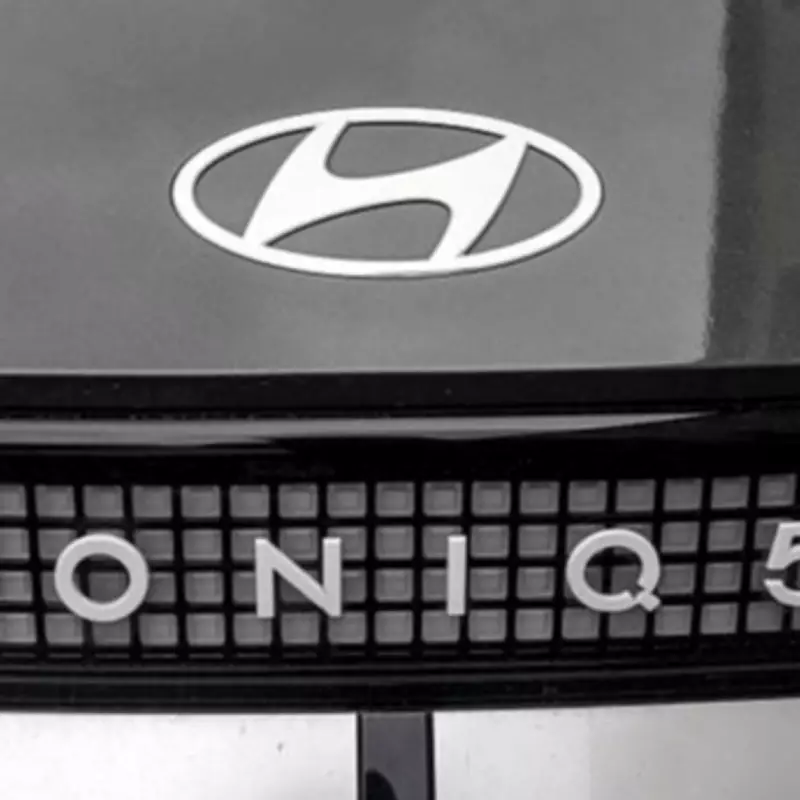
- Hyundai Ioniq 5
- Hyundai Ioniq 6
- Kia EV4 Fastback
- Lexus RZ
- Mercedes-Benz CLA Electric
- Mercedes-Benz EQA
- Mercedes-Benz GLB Electric
- MG IM6
- Peugeot E-3008
- Peugeot E-5008
- Polestar 2
- Skoda Enyaq Coupe
- Tesla Model 3 Premium
- Tesla Model Y
- Tesla Model Y Premium
Key Considerations for Drivers
While this tax change offers savings for many, it's crucial for potential buyers to verify the exact specifications and optional extras of their chosen model. As Doyle noted, opting for upgrades or additional features could increase the car's price beyond £50,000, making it ineligible for the tax exemption. This update primarily benefits electric vehicles, aiming to support the transition to greener transportation by making EVs more accessible and affordable in the long run.