HMRC Appeals Against VAT Reduction for Public Electric Car Chargers
HM Revenue and Customs (HMRC) has confirmed it will appeal a London tax tribunal ruling that would slash VAT on public electric vehicle (EV) chargers from 20% to 5%. This move has sparked widespread criticism, with campaigners labeling it as "indefensible" and detrimental to millions of UK households, particularly those without private driveways.
Tax Tribunal Ruling and Immediate Backlash
Last month, the organization Charge My Street successfully argued at the London tax tribunal that VAT on electricity supplied through public EV charging infrastructure should be charged at the reduced rate of 5%, aligning it with domestic energy rates, rather than the standard 20%. The tribunal found that HMRC had been overcharging for years under current law. However, HMRC has now announced its intention to appeal this decision, maintaining that the standard rate applies.
Warren Philips, campaign lead at FairCharge, strongly condemned the appeal. "People unable to charge at home pay four times the VAT rate of their neighbours for identical electricity," he stated. "By appealing, the government is telling 1.4 million current EV drivers, and more than 30 million who will have to switch, that it is willing to go to court to keep public charging costs high."

Impact on Households Without Driveways
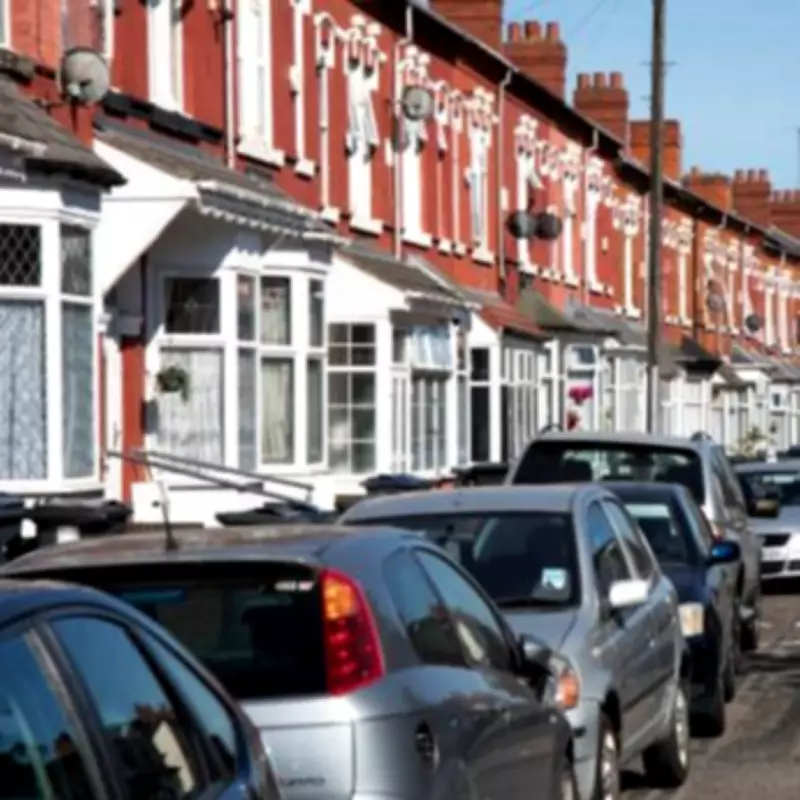
This issue disproportionately affects the approximately 40% of the UK population who lack off-street parking. Will Maden, a director at Charge My Street, emphasized the broader implications. "Transitioning to EVs is a huge problem. Adding 20% makes a huge difference," he said. "My personal view is I think we should be making the transition to EVs as cheap as we can. This is an environmental issue."
Industry leaders echoed these concerns. John Lewis, chief executive of charge point operator char.gy, called HMRC's appeal a "deeply disappointing decision, and one that sends entirely the wrong signal to the millions of people who rely on public charging." He added, "The government talks about accelerating EV adoption, yet is actively choosing to maintain a tax structure that makes public charging more expensive than it needs to be and undermines the transition."
Wider Criticism and Government Stance
Tanya Sinclair, chief executive of Electric Vehicles UK, highlighted the inequality perpetuated by the appeal. "Drivers without off-street parking already pay more to charge simply because of where they live," she noted. "HMRC appealing this ruling is the government choosing to defend that inequality. If you’re serious about EV adoption, you don’t fight the ruling that would fix your most regressive charging cost."
Ginny Buckley, chief executive of Electrifying.com, criticized the government's stance. "For a government that talks about standing up for ‘working people’, the decision to appeal flies in the face of that," she said. "This hits those without driveways the hardest, making it more expensive for them to switch, and in some cases, that makes EVs more expensive to run than petrol."
In response, an HMRC spokesperson defended the appeal, stating, "We’re appealing this case, as our position is that standard rate VAT applies to electricity supplied through public EV charging infrastructure." This ongoing legal battle underscores the tension between tax policy and environmental goals, with significant implications for the UK's transition to electric vehicles and fairness for all households.