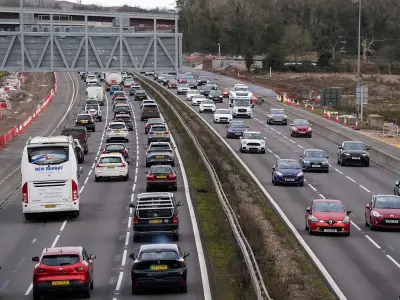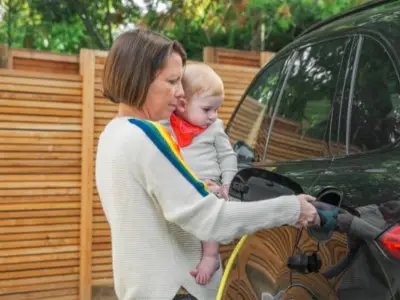
The UK's motoring landscape is set for its most dramatic transformation in decades, with a ban on the sale of new petrol and diesel cars coming into force from 2030. This pivotal change will directly impact the purchasing decisions of millions of British households, marking a decisive shift towards an electric vehicle (EV) future.
The 2030 Deadline: A Complete Shift in New Car Sales
Under the government's existing plans, the sale of new petrol and diesel cars will be prohibited from the start of 2030. This means that in just over four years, anyone wishing to purchase a brand-new vehicle will have their choice limited to fully electric models or, as an interim option, hybrid vehicles until 2035. This policy is the cornerstone of the UK's strategy to phase out internal combustion engines and drastically cut transport emissions.
While this ban applies specifically to new vehicles, the existing fleet of second-hand petrol and diesel cars will remain on the roads for many years to come. However, their numbers are expected to gradually decline as these vehicles reach the end of their natural lifespans, eventually making electric vehicles the dominant mode of transport on British roads.

Public Awareness and Lingering Concerns
Despite the significance of the impending change, research indicates that a considerable number of households remain unaware of the 2030 deadline. Furthermore, significant public uncertainty persists around the practicalities of owning an electric vehicle. The primary concerns cited by drivers typically revolve around three key areas: battery life and degradation, the time required to charge vehicles, and the availability of public charging points across the country.
In response to the infrastructure challenge, the government has pledged a major acceleration in the rollout of charging points in the years leading up to 2030. Nevertheless, officials face an ongoing battle to win over public confidence and ensure the network is robust enough to support mass adoption.
New Financial Implications for EV Drivers
The transition also brings new financial considerations for drivers. Chancellor Rachel Reeves announced in the Budget that electric vehicle owners will not be exempt from contributing to road funding indefinitely. To address falling revenue from traditional fuel duty, EV owners will face a new road tax set at 3p per mile from 2028. This move is designed to ensure all motorists contribute to the upkeep of roads as the Treasury's income from petrol and diesel declines.
This combination of a sales ban, infrastructure expansion, and new taxation frameworks sets the stage for a complete overhaul of how Britons own and use their cars. The success of this ambitious policy will depend on both the pace of infrastructure development and the willingness of the public to embrace the electric revolution.