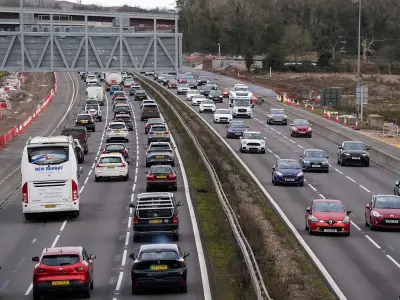
The familiar dread of a car breaking down at the roadside, accompanied by the frantic search for a landmark and a mobile phone signal, is becoming a thing of the past. A digital revolution, led by smartphone apps, is fundamentally changing how British drivers access and experience breakdown assistance, making the process faster, clearer, and less stressful.
From Paper Cards to Pocket Assistants
For generations, breakdown cover meant carrying a membership card and relying on a phone call from a roadside box. Today, the smartphone has become an essential motoring tool, handling everything from navigation to vehicle reminders. Now, this digital shift has comprehensively reached breakdown services, with providers like The AA reinventing their century-old model for the modern era.
The AA's new application functions as a personal motoring assistant, centralising services that extend far beyond emergency call-outs. However, it is in the moment of a breakdown where the technological leap is most pronounced.

GPS Tracking and Real-Time Updates
Reporting a breakdown has been streamlined dramatically. Instead of a potentially lengthy phone call, drivers can now log a fault through The AA's app in less than three-and-a-half minutes – roughly half the time of a traditional call. Crucially, the app uses the phone's built-in GPS to transmit the vehicle's exact location automatically.
This eliminates the often stressful and error-prone task of trying to describe your position using junction numbers or vague landmarks, particularly in isolated areas. Once the patrol is dispatched, the driver can track their arrival in real time on a map, mirroring the familiar experience of following a food delivery or taxi.
The AA states that its patrols fix approximately four out of five vehicles at the roadside, aided by advanced onboard tools and diagnostic technology accessed through the digital system.
Prevention and Planning: Avoiding Breakdowns Altogether
The digital transformation isn't solely about reacting to emergencies. These new apps are increasingly focused on helping drivers avoid breakdowns in the first place. Features commonly include reminders for MOT tests and servicing, tools to locate nearby fuel stations or EV charging points, and route planning support.
By integrating these day-to-day management functions, the apps aim to make car ownership feel more organised and less prone to unexpected chaos. The AA offers its cover from just over £5 per month, though the final price varies based on individual driver circumstances and vehicle details.
The Future of Roadside Assistance
The evolution from a voice-only service to a comprehensive, location-aware digital platform marks a significant shift in the UK's breakdown industry. For motorists, it promises reduced waiting times, greater transparency, and a more empowered experience during a traditionally stressful event. As technology continues to advance, the connection between driver, vehicle, and recovery service is set to become even more seamless, firmly establishing the smartphone as the most vital tool in any modern driver's kit.