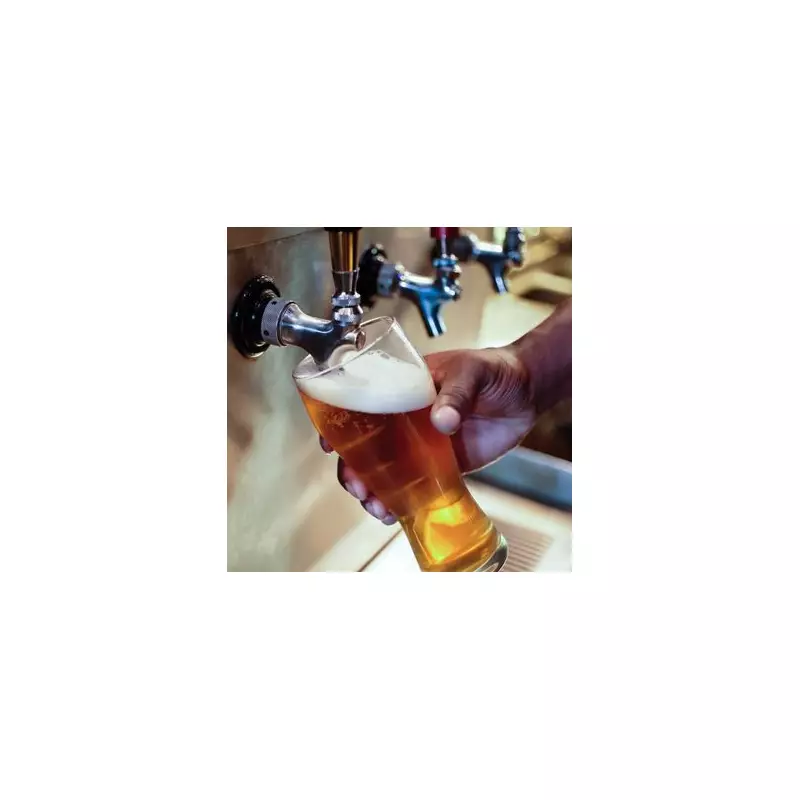
New Year's Eve is traditionally one of the biggest nights of the year for celebrations, but it also marks a period of heightened risk on the roads. While most people understand the dangers of driving while intoxicated, a significant and often overlooked danger comes the following morning.
The Hidden Danger of the 'Morning After'
Police forces typically increase their presence on the roads on New Year's Eve, leading to more drink-driving arrests. However, the morning of January 1st presents a major hazard, as many motorists mistakenly believe they are fit to drive after a night's sleep. The crucial fact is that alcohol can remain in your system for much longer than most people anticipate, potentially leaving you over the legal limit long after you've stopped drinking.
For instance, an individual who consumes five pints of 4% strength lager by midnight should avoid driving until at least 12:30 pm the following afternoon. The same caution applies to someone who has drunk five medium glasses of wine. For stronger drinks, like three cocktails or three double gin and tonics, you should not drive until at least 9 am the next day.

Why Alcohol Affects Everyone Differently
It is vital to remember that these timelines are only a general guide. The rate at which your body processes alcohol is highly individual. Dorry Potter, a motoring expert at National Scrap Car, emphasised this point: “The most crucial thing to remember is that the rate at which alcohol leaves your bloodstream is unique to every individual. This rate depends heavily on several factors, including your size, gender, food consumption, and metabolism.”
Mike Thompson, Chief Operating Officer of Leasing Options, added: “Many people don’t realise that alcohol affects everyone differently. Factors such as height, gender, weight and even what you’ve eaten that day can all play a part in how your body processes alcohol.”
The Severe Consequences of a Miscalculation
The penalties for misjudging your fitness to drive are severe and extend beyond simply being caught behind the wheel. Dorry Potter issued a stark warning: “Many drivers forget that you can face a fine of £2,500 for simply sleeping in your car whilst over the legal limit.” Even if you feel perfectly fine, residual alcohol can still impair your reaction times and judgement, putting you and others at risk.
Both experts agree on the safest course of action. Potter advised: “If you’ve been drinking heavily, the safest advice is to avoid driving entirely the next day, or at least until the evening.” Thompson reinforced the message for those considering just a drink or two, noting that even small amounts can be dangerous on short journeys.
The overarching message from motoring professionals is clear: when in doubt, do not drive. Erring on the side of extreme caution the morning after a significant celebration is the only way to guarantee safety and avoid life-changing legal repercussions.