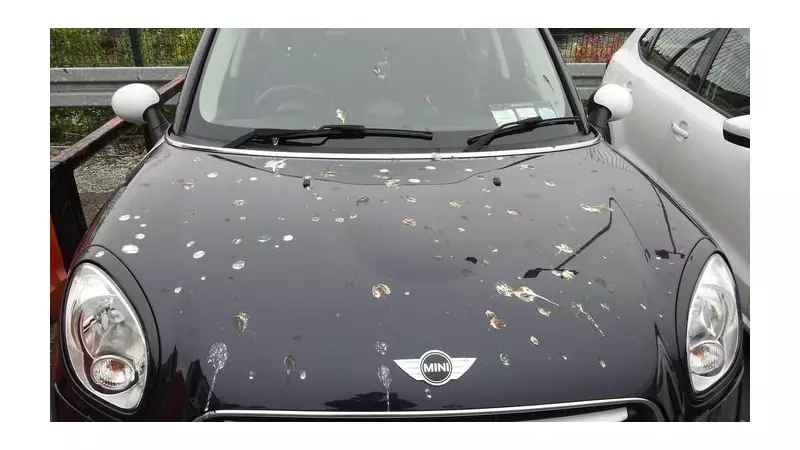
Few sights are more frustrating for a motorist than discovering a fresh splatter of bird droppings on a recently cleaned bonnet or windscreen. Beyond the unsightly mess, these stains pose a serious threat to your vehicle's paintwork if not dealt with swiftly.
The Hidden Cost of Bird Mess
The real danger lies in the chemical composition of the droppings. Bird mess contains uric acid, a corrosive substance that can eat through the protective lacquer clear coat on your car's paint. When the weather is warm, sunlight accelerates this reaction, effectively baking the acidic residue onto the surface.
This process can lead to permanent dull marks, staining, or even corrosion that demands professional intervention. Repair bills for polishing or a full respray can easily run into hundreds of pounds if the damage penetrates deeply enough, making prevention and prompt action crucial.

The £2 Kitchen Cupboard Fix
Motoring specialists at Show Plates World advise that drivers often overspend on specialist cleaning products when an effective, low-cost alternative is likely already at home. They recommend using a simple diluted white vinegar solution to tackle bird droppings safely.
The acetic acid in vinegar works to neutralise and break down the uric acid, softening the residue so it can be lifted away without the need for harsh scrubbing that might scratch the paint. When correctly diluted, it is safe for modern automotive finishes and acts within minutes.
How to Make and Use the Vinegar Cleaner
To prepare the cleaner, mix equal parts white vinegar and water in a spray bottle and shake it thoroughly. For older, dried-on stains, adding a few drops of mild washing-up liquid can boost its cleaning power.
For the best results, follow this simple guide:
- Avoid wiping immediately: Grit in the residue can scratch the paint if rubbed while dry.
- Generously spray the vinegar solution onto the stain until it is completely soaked.
- Allow it to sit for five to ten minutes to loosen the acidic deposit.
- Gently wipe the area with a soft microfibre cloth. Never use paper towels or abrasive sponges.
- Rinse with clean water and dry the surface to prevent streaking.
Prevention and Preparedness
Show Plates World also emphasises that parking habits can significantly reduce the risk of damage. Avoid parking under trees or lamp posts where birds frequently congregate. If garage parking isn't an option, using a car cover provides excellent protection.
Keeping a microfibre cloth and a spray bottle of water or quick detailer in your boot allows you to address fresh stains immediately. Acting fast stops the acid from bonding with the clear coat and minimises the risk of scratching the paint during cleaning.
Maintaining your car's protective layer and cleaning messes promptly can vastly extend the life of its paintwork. For less than the price of a coffee, a vinegar-and-water mix could save you hundreds in future repair bills. The next time a bird targets your car, you can skip the expensive sprays—your most effective weapon is probably already in the kitchen.