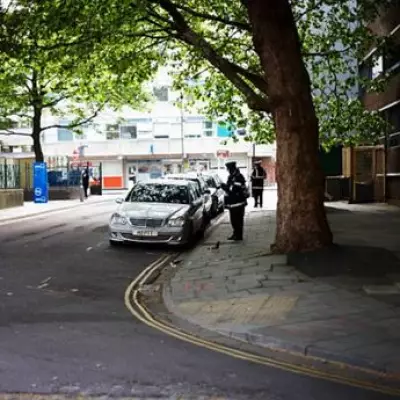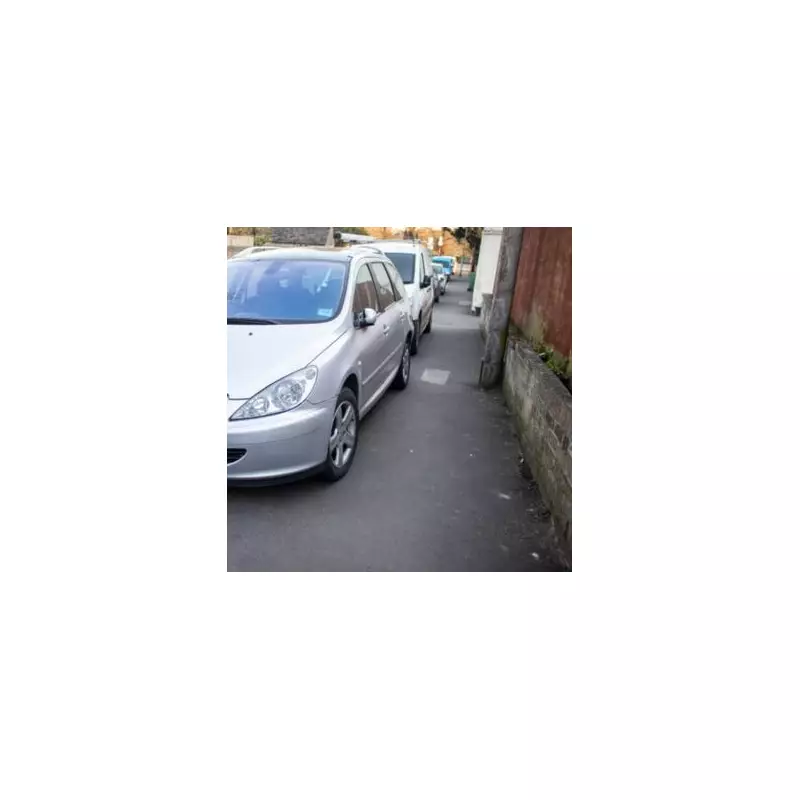
Local authorities across England are set to receive significant new legal powers to tackle the issue of pavement parking, with motorists facing fines of up to £100. The Department for Transport confirmed the rollout, which will allow councils to penalise drivers who leave vehicles obstructing footpaths.
New Powers for Local Councils
The Department for Transport is granting sweeping new legal powers to local authorities, empowering them to take action against obstructive parking. While a nationwide ban on pavement parking has not been implemented, the decision has been devolved to local leaders. The department will publish guidance in 2026 to help councils apply these powers in a proportionate and locally appropriate manner.
Drivers in regions where councils have already adopted similar measures can already be fined as much as £100. The Labour Party has stated that this localised approach supports the creation of safer, more inclusive streets by putting decision-making closer to communities.

Impact on Pedestrians and Community Response
Blocked pavements present serious dangers and barriers for many, including parents with pushchairs, wheelchair users, and blind or partially sighted individuals. This obstruction limits independence and makes everyday journeys more difficult and hazardous.
Catherine Woodhead, chief executive of the charity Living Streets, welcomed the potential for progress but expressed disappointment at the lack of a universal ban. "These new powers allow for some quick progress after years of inaction and stop many people putting their lives in danger just to get around," she said. However, she warned that a patchwork approach "will result in inconsistency for communities and drivers, which increases risks for everyone using our streets."
Political and Local Government Reaction
The move has been broadly welcomed by local government figures who deal with resident complaints. Councillor Tom Hunt, Chair of the Local Government Association's Inclusive Growth Committee, noted that "pavement parking is one of the most complained about issues by residents. It can cause a lot of disruption and block access, particularly to those with mobility issues or parents who are pushing their children in buggies."
Olly Glover MP for Didcot and Wantage, a Liberal Democrat, also supported the new rules but urged the government to ensure future consultations on driving changes are more efficient. He referenced a previous pavement parking consultation that took five years, stating, "Consultations need to be meaningful, but they also need to be time-bound and then translated into action."
The extension of these enforcement powers marks a significant shift in how pavement parking is managed, aiming to prioritise pedestrian safety and accessibility in towns and cities across England.