Private Parking Fines Escalate: 48,000 Daily Tickets Issued Across Britain
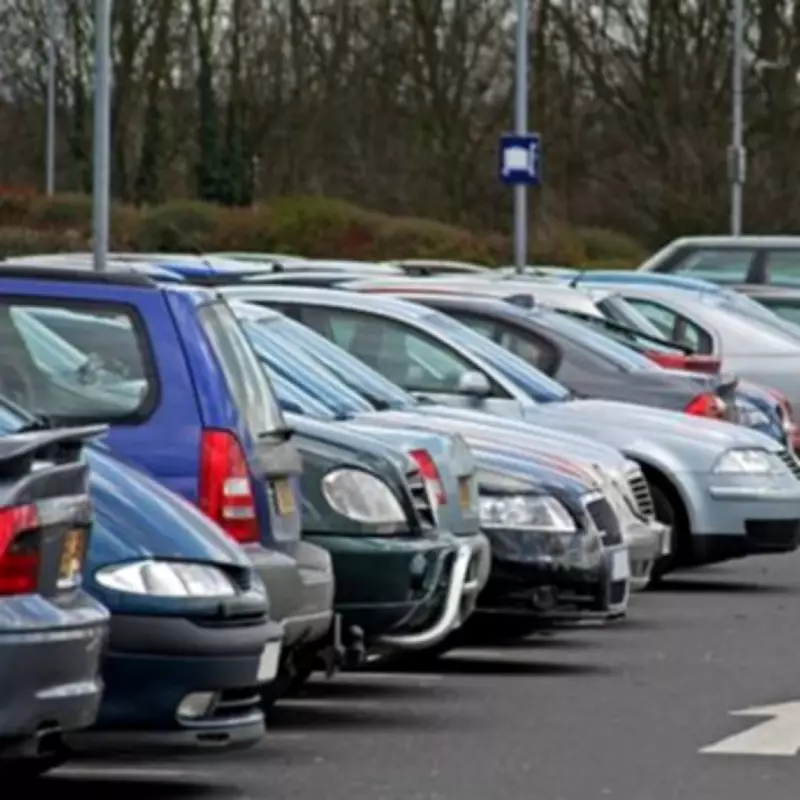
Motorists in Britain are facing an unprecedented surge in private parking fines, with new figures revealing that nearly 48,000 tickets are being issued daily by parking management companies. Analysis of Government statistics by the Press Association shows that 13.1 million private parking tickets were distributed between April and December last year.
Sharp Increase in Penalties
This staggering number represents a significant 19% increase from the 11.0 million tickets issued during the same period the previous year. The daily average of 47,749 fines highlights a growing burden on drivers, with individual penalties potentially reaching £100 each. At current rates, the collective daily cost to motorists could approach nearly £4.8 million, placing additional financial strain on households already grappling with rising living expenses.
Systemic Issues and Driver Complaints
The RAC Foundation, a respected motoring research charity, has expressed deep concern over these figures, suggesting that "something is awry with the system." Steve Gooding, director of the RAC Foundation, emphasized the timing of this surge, noting: "With fuel prices through the roof, the last thing anyone wants to receive is a parking charge notice."

Private parking operators have faced widespread criticism for several problematic practices:
- Employing misleading and confusing signage that fails to clearly communicate parking terms
- Utilizing aggressive debt collection tactics that intimidate motorists
- Imposing disproportionate charges that exceed reasonable penalties
- Issuing tickets based on technicalities with payment machine functionality
Many drivers report receiving tickets they believe are unjust, particularly when issues arise with how certain payment machines operate or when signage proves inadequate.
Regulatory Delays and Political Challenges
The path toward parking reform has been marked by significant delays and political obstacles. Legislation enabling the establishment of an industry code of practice received royal assent in March 2019, with plans to implement it across Britain by the end of 2023. This proposed code included several key protections:
- Reducing the maximum charge for most parking violations to £50
- Establishing a more equitable and transparent appeals process
- Prohibiting the use of threatening language on parking tickets
However, this progress was halted in June 2022 when the Conservative administration scrapped the code following a legal challenge from parking firms. A fresh consultation on the code by the current Labour Government concluded in September 2025, but concrete action remains pending.
Mr. Gooding commented on the regulatory stagnation: "Successive ministers have accepted the need for a new private parking framework to provide better, clearer protections for drivers and landowners, but progress has been painfully slow."
Economic Context and Industry Response
The parking fine surge occurs against a challenging economic backdrop. Fuel prices have risen dramatically, with the typical cost of a litre of petrol increasing by 26p and diesel by 49p since the beginning of the Middle East conflict on February 28. This additional cost-of-living pressure makes parking penalties particularly burdensome for many motorists.
The examination of parking penalties is based on the quantity of records secured from the Driver and Vehicle Licensing Agency (DVLA) by firms pursuing UK vehicle owners for supposed breaches in private car parks. These locations include shopping centres, leisure facilities, and motorway service areas, but exclude council-operated car parks.
Approximately 195 parking management companies requested vehicle owner records during the final quarter of last year, with ParkingEye emerging as the most prolific, purchasing 619,000 records. The DVLA charges private firms £2.50 per record, stating that these fees cover the cost of supplying data without generating profit.

Government and Industry Perspectives
A Ministry of Housing, Communities and Local Government spokesperson acknowledged the need for reform: "Motorists must be protected when using private car parks and we are determined to drive up standards in the industry. That's why we plan to introduce a code of practice to Parliament this autumn to help fix the problems drivers are facing."
Isaac Occhipinti, head of external affairs at the British Parking Association, offered an industry perspective: "Statistics show that the overwhelming majority of motorists follow the rules and pay their way. Effective parking management is essential to keeping towns and cities moving and ensuring people can access shops, hospitals, transport hubs and other vital services safely and conveniently."
He added: "We continue to be on the side of decent drivers. Parking management exists to protect them and ensure that everyone can park where and when they need to."
As the debate continues, motorists await meaningful regulatory changes that balance the needs of parking management with fair treatment of drivers, particularly during a period of economic uncertainty and rising transportation costs.