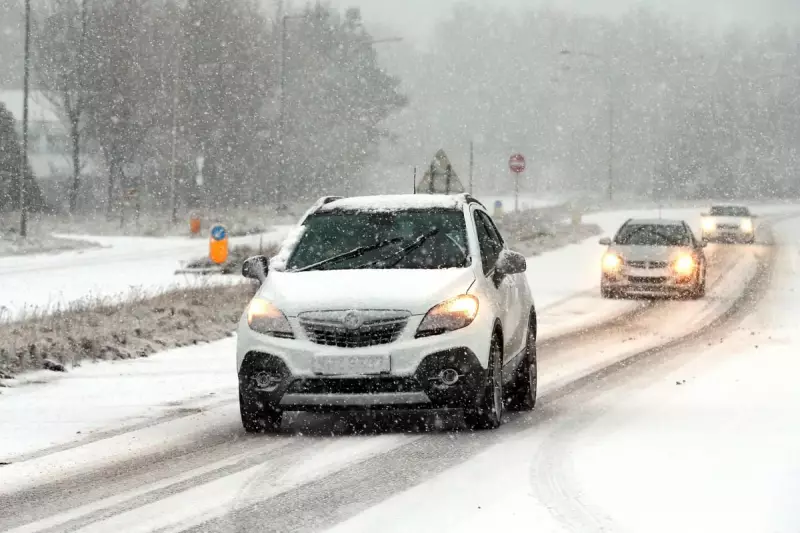
As winter tightens its grip, a hidden automotive crisis leaves thousands of British motorists stranded in the cold each year. A predictable yet often overlooked seasonal surge in vehicle failures sees breakdown numbers rocket during the coldest months, with drivers caught unprepared.
The Chilling Statistics of Winter Breakdowns
Figures from the UK's leading breakdown provider, The AA, illustrate the scale of the problem. January and February are consistently the busiest months for roadside rescues. In a typical year, the organisation attends more than 270,000 breakdowns in January alone, followed by around 255,000 in February.
The frigid conditions place immense extra strain on vehicles, pushing components that already operate near their limits to the point of failure. This makes winter the most challenging season for both drivers and their cars.

Primary Culprits: Batteries, Tyres, and Engine Issues
The single biggest cause of winter breakdowns is the humble car battery. Flat batteries are responsible for a huge proportion of winter callouts. Cold temperatures severely reduce a battery's chemical efficiency, while engines demand significantly more power to turn over. This combination proves fatal for older or weakened batteries.
Beyond batteries, The AA also reports marked increases in non-starting engines and tyre-related issues. Colder air causes tyre pressure to drop, and deteriorating road conditions heighten the risk of punctures and damage. Despite these well-known risks, AA research indicates that only a minority of drivers perform basic pre-winter checks on their vehicle's battery health.
Staying Safe and Reducing Your Risk
Breaking down in winter is not merely an inconvenience; it can be a genuine danger, especially in freezing temperatures or poor visibility. If a vehicle fails, the immediate priority is to get to a safe location, using indicators and hazard lights to alert other road users.
Contacting a breakdown service promptly is crucial, and providing a clear, accurate location can dramatically cut waiting times, particularly in rural areas. The AA has introduced an app-based system that uses a phone's GPS to share the driver's exact location with patrols, streamlining the rescue process.
Simple preparation can make a major difference. Keeping a kit in the car containing a charged phone, warm clothing, a torch, and basic emergency supplies can ensure safety and comfort during a lengthy wait.
Proactive maintenance remains the best defence. Drivers can dramatically lower their breakdown risk by:
- Checking battery health before the cold sets in.
- Maintaining correct tyre pressures.
- Topping up essential fluids like coolant and screen wash.
- Ensuring the vehicle receives a proper service ahead of winter.
With January and February historically peak months for breakdowns, taking these preventative steps now could be the key to avoiding a costly and unpleasant roadside ordeal.