Hundreds of taxpayers across the UK have narrowly escaped automatic £100 fines after submitting their self-assessment returns in the dramatic final hours of 2025.
The New Year's Eve Filing Frenzy
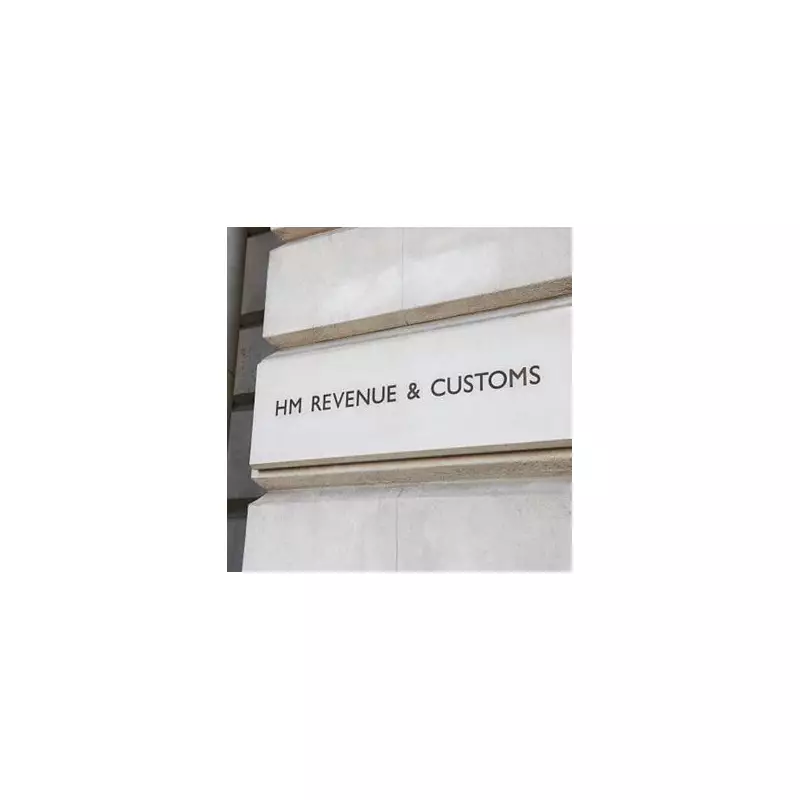
According to official figures released by HM Revenue and Customs (HMRC), a total of 342 people completed their tax return in the last hour of the year. The data shows that 4,053 individuals saw in the new year by filing their 2024-25 tax return across New Year's Eve and New Year's Day itself.
The most popular single period for this last-minute activity was between 11.00am and 11.59am on December 31, when 3,927 people submitted their returns. This surge of activity allowed them to beat the critical midnight deadline on January 31st.

Understanding the Penalty Risks
Those who miss the Self Assessment deadline face a series of potentially costly penalties. An initial fixed £100 penalty applies automatically, even if there is no tax to pay or if the tax due is paid on time.
The penalties escalate significantly if the return remains outstanding:
- After 3 months, additional daily penalties of £10 per day can be charged, up to a maximum of £900.
- After 6 months, a further penalty of 5% of the tax due or £300, whichever is greater, is applied.
- After 12 months, another 5% or £300 charge is added, again whichever is greater.
Interest is also charged on any unpaid tax from the due date. For partnership returns, all partners are charged a penalty if the filing is late.
Expert Advice to Simplify Future Returns
Sarah Coles, head of personal finance at Hargreaves Lansdown, urged taxpayers to learn from the stressful rush. "If you spent ages digging out details of interest payments, dividends or profits on share sales, consider consolidating to simplify things for next year," she advised.
The key takeaway from HMRC is clear: to avoid all penalties, taxpayers must send their Self Assessment tax return and pay any bill owed as soon as possible. Those who receive a penalty notice typically have 30 days to pay the fine.