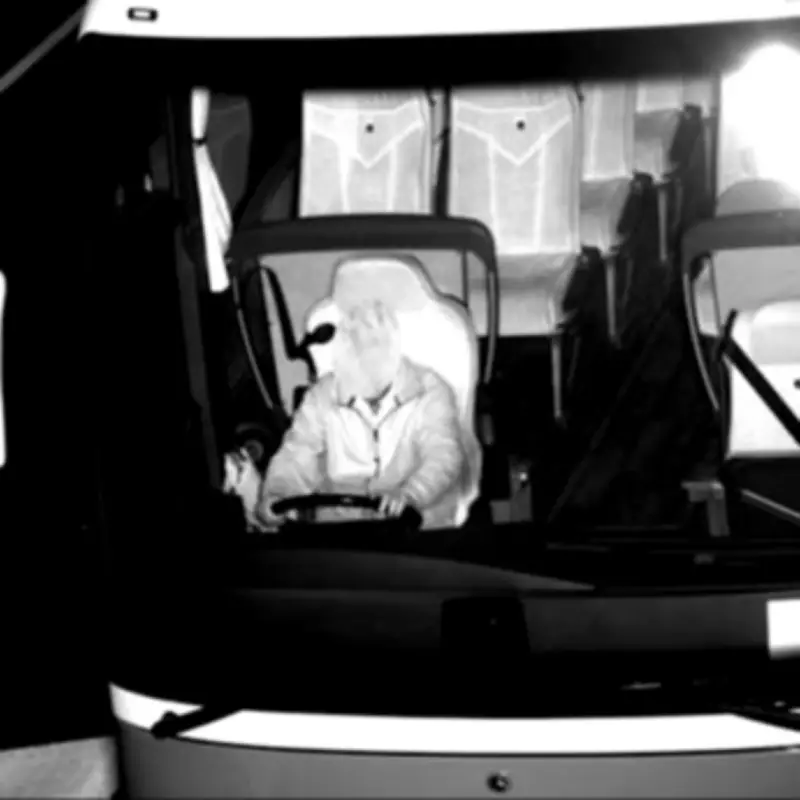
New AI road safety cameras that can see inside cars have caught 700 drivers in just one week. The technology, deployed by Sussex Police, is designed to detect drivers using a mobile phone or not wearing a seatbelt.
Offences Recorded
In the first seven days of operation, the cameras recorded 620 seatbelt offences, 110 mobile phone offences, 17 combined mobile phone and seatbelt offences, and one offence of not being in proper control of a vehicle (no hands on the steering wheel).
Police Response
Sussex Police Chief Constable Jo Shiner, who is also the roads policing lead for the National Police Chiefs' Council, expressed disappointment at the statistics. "We have embraced the use of modern technology not only to show that we listen to concerns raised by communities across Sussex, but also to help reduce the number of people killed and seriously injured on our roads through irresponsible driver behaviour," she said.

Shiner noted that a previous trial in 2024 indicated seatbelt and mobile phone offences are widespread. "While the vast majority of people are safe and competent road users, there is still a large number of motorists who continue to take risks, and that is not acceptable," she added.
Camera Technology
The high-definition cameras use an infrared flash to capture clear images through windscreens, day or night, and in all weather conditions.
Mark Baker, Sussex Police Road Safety Team Manager, highlighted improper seatbelt use. "In the first seven days alone, we have seen a number of people wearing their seatbelt under their arm. This is not proper usage, as it could still result in serious injuries in the event you are involved in a collision," he said.
Baker emphasised the goal of changing behaviour. "The data we have captured so far is just a tiny sample of driver behaviour across Sussex. This suggests there is likely to be a number of habitual no seatbelt wearers who may never have been involved in a serious collision and may not think the law applies to them. But why take the risk? Our aim is not only to target offenders but also to change driver behaviour in the first place. In an ideal world, we don't want to record any offences; we want everyone to play their part in keeping all road users safe."